

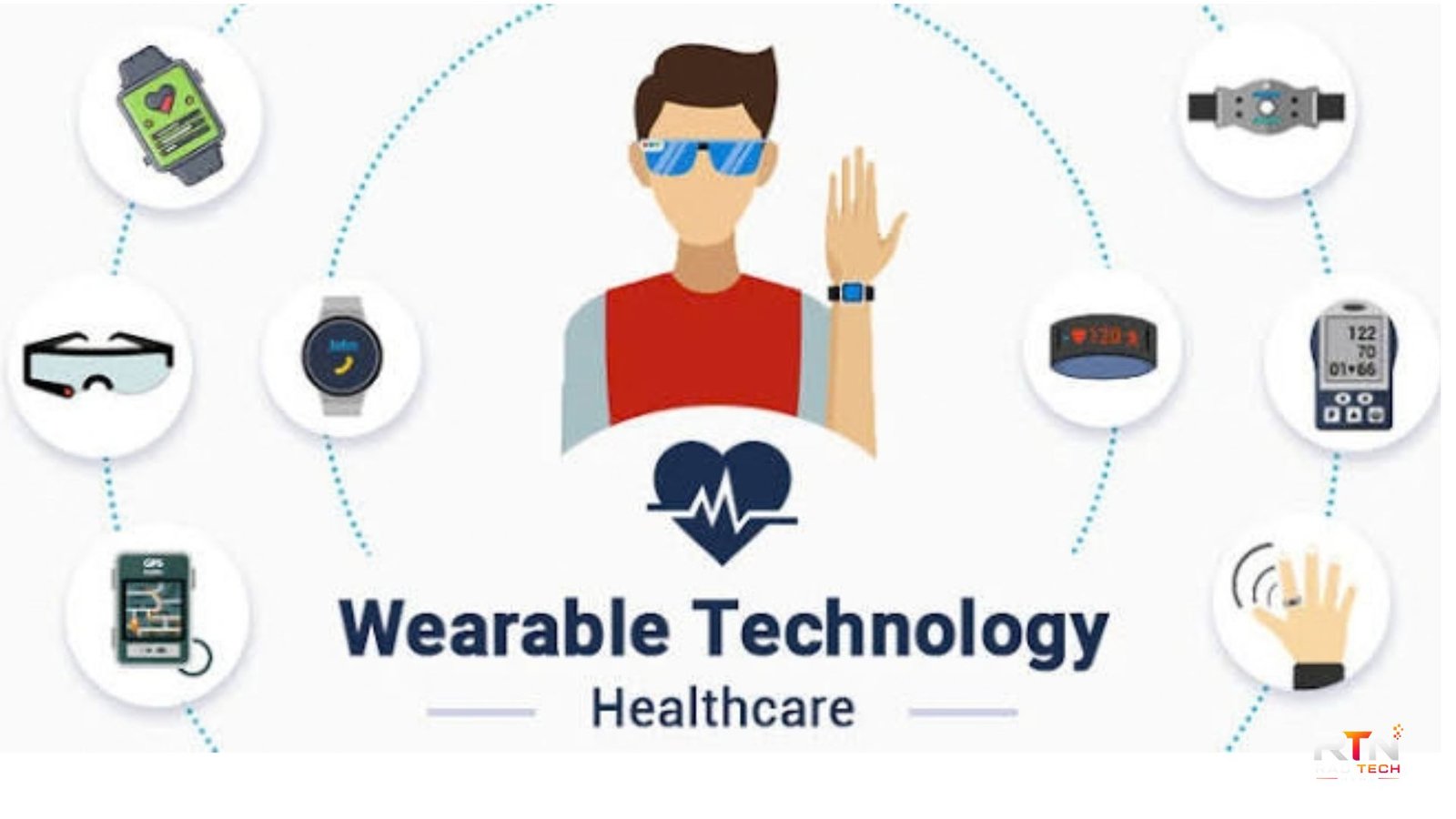
Wearable technology in healthcare is changing how health information is collected, monitored, and used outside traditional clinical settings. Smartwatches, fitness bands, smart rings, sensor-enabled patches, and other connected devices can capture measurements such as heart rate, activity, sleep, blood oxygen, and, with appropriate medical devices, other physiological signals.
The value is not simply in collecting more data. The real opportunity is turning useful measurements into information that patients and healthcare professionals can act on. The U.S. Food and Drug Administration (FDA) describes digital health as a broad field that includes wearable devices, mobile health, telehealth, and related technologies.
What Is Wearable Technology in Healthcare?
Wearable technology in healthcare refers to body-worn electronic devices that collect health or physiological information and may transmit it to an app, platform, researcher, or healthcare professional.
Some products are designed primarily for general wellness, while others are medical devices intended for specific clinical purposes. The distinction matters: not every smartwatch measurement is a medical-grade measurement, and consumers should not assume that a wellness feature can diagnose or manage a disease.
The FDA maintains a list of authorized sensor-based digital health medical devices, including wearable forms such as smartwatches, rings, patches, and bands designed for continuous or spot monitoring.
Common wearable devices
Examples include:
- Smartwatches and fitness trackers
- Smart rings
- ECG-enabled wearable devices
- Continuous glucose monitoring systems
- Wearable biosensor patches
- Connected blood-pressure and oxygen-monitoring devices
- Activity and rehabilitation sensors
These technologies can support both everyday health management and formal remote patient monitoring, depending on their design and clinical use.
How Wearable Technology Is Used in Healthcare
The applications are expanding as sensors become smaller and wireless connectivity becomes easier to integrate with healthcare systems.
| Healthcare use | What may be monitored | Potential role |
|---|---|---|
| Remote patient monitoring | Heart rate, oxygen saturation, blood pressure and other vital signs | Supports care outside hospitals |
| Cardiac monitoring | Heart rhythm and related signals | Helps clinicians assess selected cardiac conditions |
| Diabetes management | Glucose levels through dedicated monitoring systems | Supports ongoing glucose management |
| Rehabilitation | Movement, activity and exercise patterns | Tracks progress between appointments |
| Preventive care | Activity, sleep and selected physiological measures | Encourages health awareness and monitoring |
Remote monitoring is particularly relevant to patients who need regular observation without staying in a hospital. NHS England guidance on virtual wards describes models in which patients can submit measurements through digital platforms, with wearable or Bluetooth devices sometimes providing continuous monitoring.
The technology can also help researchers collect information over longer periods. NIH researchers, for example, have studied wearable sensors capable of providing continuous streams of personal health data outside traditional research environments.
Benefits for Patients and Healthcare Providers
One major advantage is continuity. A clinical appointment provides a snapshot, whereas an appropriately designed monitoring system can capture measurements between visits.
For patients with certain chronic conditions, this can provide healthcare teams with additional information about changes occurring at home. FDA guidance notes that wireless medical devices can enable remote access to patient data and support monitoring without requiring the patient and clinician to be in the same location.
Other potential benefits include:
- Earlier identification of changes: Trends can sometimes be noticed before a scheduled appointment.
- Greater convenience: Some monitoring can take place at home rather than exclusively in clinics.
- Patient engagement: Seeing personal health information can encourage people to participate more actively in their care.
- Longitudinal data: Repeated measurements can reveal patterns that a single reading may not show.
- Personalised care: Clinicians may use relevant data alongside medical history, symptoms, examinations, and tests to inform care decisions.
In the UK, virtual wards already use remote monitoring technologies for selected patients who can receive appropriate acute care at home.
💡 Pro Tip: Before choosing a wearable for a clinical purpose, identify the exact measurement you need and verify whether the device is intended or authorised for that use. A device that tracks wellness metrics is not automatically suitable for medical decision-making.
Limitations and Risks to Consider
More health data does not automatically mean better healthcare. Wearables can produce inaccurate readings, missing data, false alerts, or information that is difficult to interpret without clinical context.
Privacy is another major consideration. Connected devices may transmit sensitive health information between sensors, smartphones, cloud platforms, and healthcare systems. NHS guidance highlights the need for secure connectivity, reliable software, privacy protections, and cybersecurity when medical devices become digitally connected.
Digital exclusion also matters. Not every patient has a compatible smartphone, reliable internet access, sufficient digital skills, or the ability to use a wearable comfortably. NHS England guidance specifically recommends considering alternatives where technology-enabled monitoring could otherwise exclude people from care.
Healthcare organisations also need a clear response process. If a wearable generates an abnormal reading, there must be an appropriate clinical pathway for reviewing the information and deciding what action, if any, is required. Data without a responsible workflow can create unnecessary alerts rather than better care.
What Does the Future Look Like?
The next stage of wearable technology in healthcare is likely to focus less on isolated measurements and more on connected clinical workflows.
Wearable data may increasingly be combined with electronic health records, mobile applications, remote consultations, and other monitoring systems. NHS England describes remote monitoring as part of personalised follow-up, where clinical teams can use information from wearables, apps, questionnaires, or tests to determine when further contact may be appropriate.
The NHS is also testing wearable approaches for monitoring people at risk of sepsis, including devices intended to track vital signs at home and flag potential deterioration for further assessment.
For healthcare providers, the challenge will be balancing innovation with evidence, clinical safety, interoperability, privacy, accessibility, and appropriate regulation. The most useful systems will not simply collect continuous data; they will help turn relevant data into timely clinical decisions.
📌 Key Takeaway: Wearable technology in healthcare is most valuable when reliable measurements are connected to a clear clinical purpose. The strongest applications combine suitable sensors, secure data handling, professional interpretation, and an established pathway for responding to meaningful changes.
Frequently Asked Questions
Are wearable devices accurate enough for healthcare?
Accuracy depends on the device, sensor, measurement, intended use, and circumstances. Consumer wellness devices should not automatically be treated as medical instruments. For clinical decisions, healthcare professionals should consider whether the particular device has appropriate evidence or regulatory status for its intended purpose.
Can wearables help with remote patient monitoring?
Yes. Wearables can transmit selected health measurements to healthcare teams, making them useful in some remote monitoring programs. NHS virtual wards, for example, can use wearable and Bluetooth-enabled technology to collect patient observations at home. The specific measurements and monitoring frequency depend on the patient’s care plan.
Are wearable health devices safe?
They can be useful when appropriately designed and used, but safety includes more than the physical device. Data security, software reliability, connectivity, false readings, inappropriate interpretation, and cybersecurity also need consideration. Medical devices may have additional regulatory and clinical requirements depending on their intended use.
Can wearable devices replace doctors?
No. Wearables can provide additional information, but they do not replace clinical assessment. Symptoms, medical history, physical examination, diagnostic tests, and professional judgment can all be necessary. A wearable reading should be interpreted within the appropriate clinical context.
How is wearable health data protected?
Protection depends on the device, manufacturer, software platform, healthcare organisation, and applicable privacy requirements. Healthcare providers should assess security, access controls, data handling, interoperability, and regulatory obligations before integrating wearable information into clinical workflows.
Conclusion
Wearable technology in healthcare is moving monitoring beyond the hospital and doctor’s office, giving patients and healthcare teams new ways to observe health over time. Its strongest potential lies in targeted applications such as remote patient monitoring, chronic-condition management, rehabilitation, and digitally supported care at home.
Success, however, depends on more than sophisticated sensors. Reliable measurements, appropriate clinical validation, secure data practices, accessibility, and well-defined responses to abnormal results are essential. Used within those safeguards, wearable technology can become a practical extension of healthcare rather than simply another source of personal data.
