
BMS Careers are becoming an attractive option for students and professionals interested in business, management, leadership, and organizational growth. A Bachelor of Management Studies (BMS) degree can open doors to multiple industries, including finance, marketing, human resources, consulting, operations, and entrepreneurship.
Many students search for BMS Careers because they want to understand what jobs they can get after completing the degree, which skills employers value, and how they can build long-term professional success. The right combination of education, practical experience, and industry knowledge can help BMS graduates compete in a changing job market.
What Are BMS Careers?
BMS Careers refer to professional opportunities available after completing a Bachelor of Management Studies program. The degree focuses on business principles, management techniques, organizational behavior, finance, marketing strategies, and decision-making skills.
Unlike highly specialized degrees that prepare students for one specific profession, BMS provides a broad foundation that allows graduates to explore different career paths. This flexibility makes it suitable for individuals who want options in corporate jobs, startups, family businesses, or further studies.
A BMS graduate can choose a career based on personal interests. Someone interested in communication may move toward marketing or sales, while another person who enjoys numbers may prefer finance or business analytics.
Popular Career Options After BMS
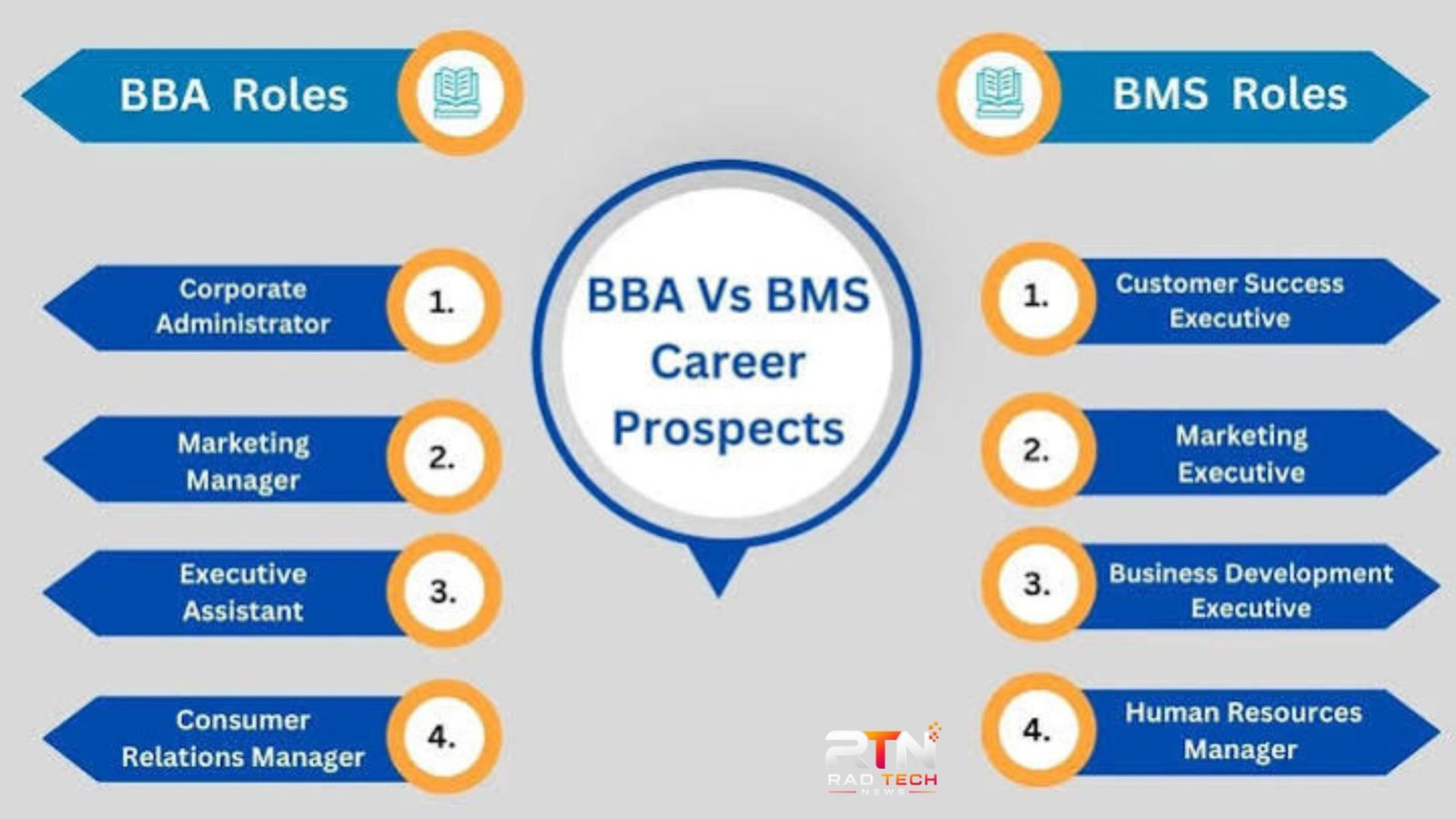
The range of BMS Careers depends on a graduate’s skills, specialization, internships, and professional goals. Some common roles include:
| Career Role | Main Responsibilities | Suitable Skills |
|---|---|---|
| Marketing Executive | Develop campaigns, analyze customers, support brand growth | Communication, creativity, analytics |
| Business Analyst | Study business data and improve processes | Research, problem-solving, Excel |
| Human Resources Specialist | Manage recruitment and employee relations | People skills, organization |
| Financial Analyst | Review financial information and support decisions | Accounting, analytical thinking |
| Operations Manager | Improve workflow and business efficiency | Leadership, planning |
| Sales Manager | Build customer relationships and increase revenue | Negotiation, communication |
These roles exist across industries such as technology, banking, retail, healthcare, consulting, and manufacturing.
Skills That Help Build Successful BMS Careers
A degree alone may not guarantee career growth. Employers usually look for candidates who can apply business knowledge in practical situations.
Important skills for BMS graduates include:
Communication Skills
Strong written and verbal communication helps professionals present ideas, negotiate with clients, and work effectively with teams. Business environments require employees who can explain strategies clearly.
Analytical Thinking
Companies rely on data to make decisions. Understanding reports, market trends, customer behavior, and financial information can help graduates become valuable team members.
Leadership Ability
Management roles require people who can guide teams, solve problems, and make responsible decisions. Leadership skills often develop through internships, projects, and workplace experience.
Digital and Technology Skills
Modern businesses use digital tools for marketing, analytics, project management, and communication. Learning software such as spreadsheet tools, CRM platforms, and data visualization systems can improve employability.
Adaptability
Industries continue to change because of technology and global competition. Professionals who continue learning and updating their skills often have stronger career opportunities.
💡 Pro Tip: BMS students should focus on gaining practical experience before graduation. Internships, freelance projects, volunteering for business activities, and industry certifications can help create a stronger resume than academic qualifications alone.
Industries Hiring BMS Graduates
One advantage of BMS Careers is the ability to work in different sectors. Businesses across industries require professionals who understand management and operations.
Some major hiring areas include:
- Banking and Finance: Roles related to financial services, customer management, and business operations.
- Marketing and Advertising: Opportunities in digital marketing, brand management, market research, and sales.
- Technology Companies: Positions in business development, product coordination, and operations.
- Consulting Firms: Work involving business strategy, research, and process improvement.
- Retail and E-commerce: Jobs related to customer experience, inventory management, and sales growth.
- Healthcare Management: Administrative and operational positions in healthcare organizations.
The flexibility of the degree allows graduates to explore industries beyond traditional business roles.
Higher Education Options After BMS
Many graduates continue their education to improve career opportunities and qualify for advanced positions.
Common options include:
- Master of Business Administration (MBA)
- Master’s programs in finance, marketing, or human resources
- Professional certifications in analytics, project management, or digital marketing
- Entrepreneurship programs
An MBA is a popular choice because it can help graduates move toward managerial positions and specialized business fields.
How to Start a Career After BMS
Starting a professional journey requires planning. Graduates can improve their chances by following practical steps:
- Build a professional resume: Highlight academic projects, internships, skills, and achievements.
- Gain internship experience: Real-world exposure helps develop workplace confidence.
- Improve technical knowledge: Learn business software and industry tools.
- Create a professional network: Connecting with professionals can reveal job opportunities.
- Develop a career focus: Choosing an area such as marketing, finance, or operations helps guide future decisions.
Many successful professionals begin with entry-level positions and gradually progress into leadership roles through experience and continuous improvement.
Challenges in BMS Careers
Although BMS offers many opportunities, graduates may face challenges at the beginning of their careers. The business field is competitive, and employers often prefer candidates with practical experience.
Some common challenges include:
- Standing out among other business graduates
- Building industry-specific knowledge
- Developing specialized skills
- Adjusting to professional workplace expectations
Students who combine their degree with internships, certifications, and strong communication abilities can improve their career prospects.
📌 Key Takeaway
BMS Careers provide a wide range of opportunities in management, marketing, finance, operations, and business development. The degree offers flexibility, but long-term success depends on practical skills, continuous learning, and real-world experience.
Frequently Asked Questions
What jobs can I get after completing BMS?
After completing BMS, graduates can apply for roles such as marketing executive, business analyst, HR specialist, financial analyst, sales manager, and operations coordinator. The available opportunities depend on skills, experience, specialization, and the industry a graduate chooses.
Is BMS a good degree for a business career?
Yes, BMS is a suitable degree for students interested in business and management. It provides knowledge of different business areas and creates a foundation for corporate jobs, entrepreneurship, or advanced studies such as an MBA.
Can BMS graduates work in international companies?
BMS graduates can work in international companies if they develop strong communication skills, professional experience, and relevant industry knowledge. Multinational organizations often hire candidates with business, management, and analytical abilities.
What skills should BMS students learn for better job opportunities?
BMS students should develop communication, leadership, analytical, digital, and problem-solving skills. Additional knowledge of business software, data analysis, digital marketing, or project management can also improve employment opportunities.
Should I do an MBA after BMS?
An MBA can be beneficial for graduates who want advanced management positions, leadership roles, or specialization in areas such as finance, marketing, or strategy. However, gaining work experience before pursuing an MBA can also be valuable.
Conclusion
BMS Careers offer a flexible pathway into the business world with opportunities across multiple industries. Graduates who combine their academic foundation with practical experience, modern skills, and continuous learning can build rewarding professional journeys. Whether entering corporate roles, pursuing higher education, or starting a business, BMS provides a strong platform for future growth.
