

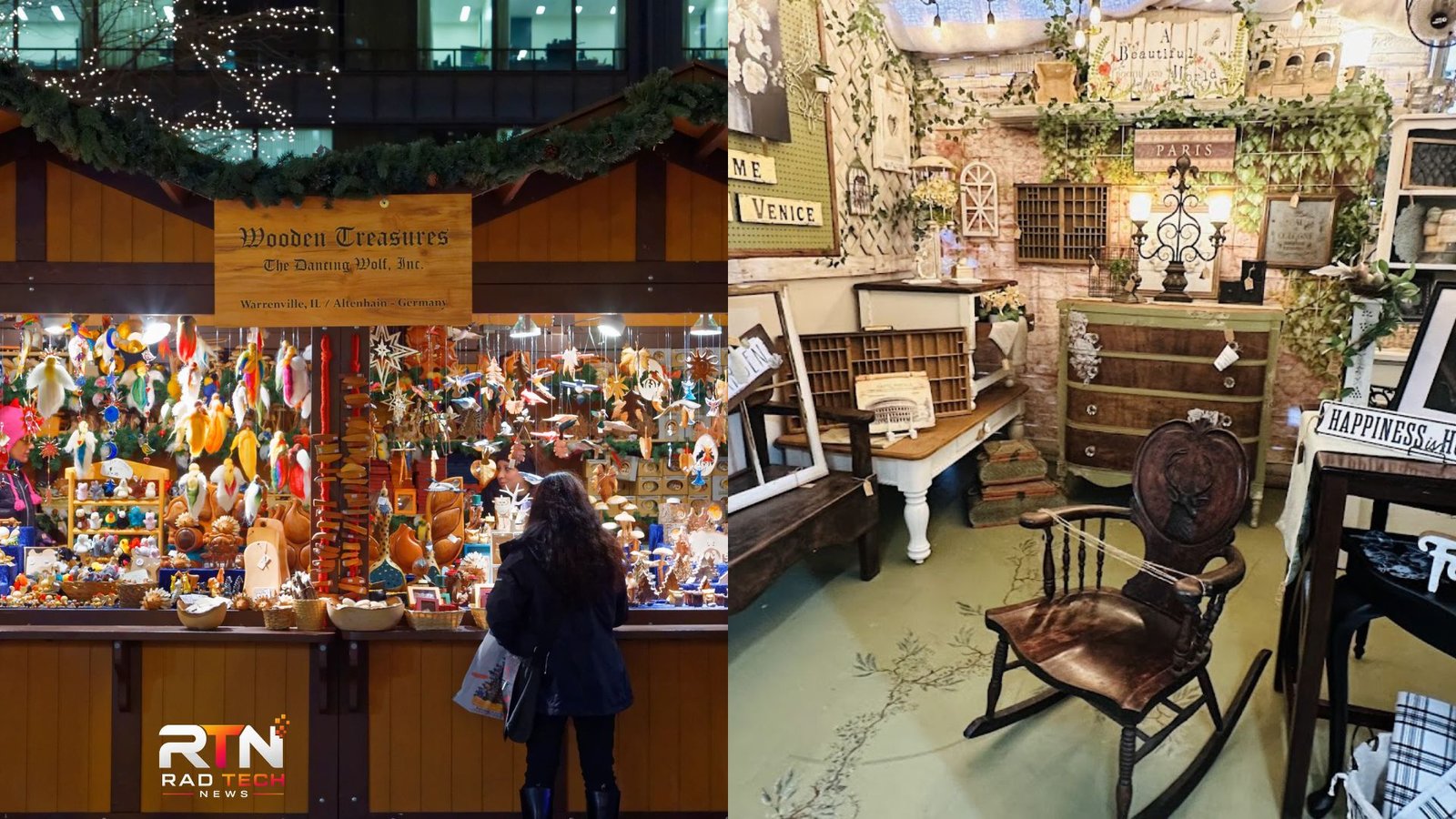
Finding the right pieces for a home can be surprisingly difficult. You may know the room needs something warmer, more modern, or simply less empty, but walking into a décor market can leave you facing hundreds of styles, materials, colors, and price points. The challenge is not finding something attractive—it is finding something that actually works in your space.
That is where understanding US decor markets becomes useful. The American home décor market includes everything from large furniture retailers and discount stores to independent boutiques, vintage markets, artisan sellers, and online marketplaces. Each type serves a different purpose, and knowing where to shop can save both money and frustration.
What Are US Decor Markets?
The term US decor markets can refer broadly to the places and businesses where Americans buy home décor and related furnishings. This includes physical stores, regional markets, independent shops, online retailers, vintage sellers, craft markets, and specialized home furnishing outlets.
These markets generally fall into several categories:
- Mass-market retailers: Useful for affordable, widely available décor and basic furniture.
- Discount and outlet stores: Good for finding reduced-price products, discontinued collections, and overstock.
- Specialty décor stores: Often focus on particular aesthetics such as farmhouse, contemporary, traditional, coastal, or minimalist design.
- Vintage and antique markets: Valuable for distinctive pieces with character and history.
- Independent boutiques: Often carry smaller-batch products that are less common in large chains.
- Online marketplaces: Provide a much larger selection but require more careful evaluation of measurements, materials, and seller information.
- Artisan and craft markets: A strong option when you want handmade objects or locally produced décor.
How to Choose the Right Place to Shop
Before visiting a décor market, decide what role the item will play in your room.
A decorative vase, for example, does not need the same level of construction as a dining table. Spending heavily on a small accent while buying an uncomfortable sofa simply because it was discounted is rarely a good trade-off.
A simple approach is to divide purchases into three groups:
1. Investment Pieces
These are items you expect to keep for years:
- Sofas
- Dining tables
- Beds
- Quality lighting
- Large rugs
- Storage furniture
For these purchases, prioritize construction, comfort, dimensions, and repairability.
2. Supporting Pieces
These help establish the room’s overall style:
- Side tables
- Curtains
- Mirrors
- Floor lamps
- Shelving
- Occasional chairs
These can be moderately priced, provided they fit the room and serve their purpose well.
3. Accent Pieces
These are easier to replace:
- Decorative bowls
- Cushions
- Small artwork
- Candles
- Vases
- Seasonal decorations
- Small plants and planters
This category is where experimenting with trends makes the most sense.
Price Does Not Always Tell You About Quality
One of the easiest mistakes in American home décor shopping is assuming that a higher price automatically means better quality.
It does not.
A $300 side table may have better construction than a $700 table with a fashionable finish. Likewise, a handmade ceramic piece from a small seller may cost more than a mass-produced object but offer substantially better craftsmanship.
When comparing products, look beyond the price tag.
Check:
- What materials were used?
- Is solid wood actually solid wood?
- Are visible surfaces veneer, laminate, or engineered board?
- Does the furniture feel stable?
- Are drawers aligned properly?
- Are joints reinforced?
- Is the fabric durable enough for the intended use?
- Can replacement parts be obtained?
- Does the finish appear consistent?
Unique insight: One useful test is to consider how an item will age rather than how it looks on the day you buy it. A natural material that develops a pleasant patina can become more attractive over time, while a cheap synthetic finish may quickly look worn.
Measure Before You Buy
A beautiful piece can become a terrible purchase if it does not fit.
This is particularly important with online home décor shopping because product photographs often make furniture appear smaller or larger than it really is.
Before buying, measure:
- The available floor area.
- Door and hallway widths.
- Ceiling height where relevant.
- The distance between furniture pieces.
- Wall width for artwork or mirrors.
- Elevator or stair access if the item is large.
For sofas and large furniture, do not stop at room measurements. Check whether the item can physically make it through the entrance.
A practical trick is to mark the item’s footprint on the floor using painter’s tape. This gives you a much better idea of how much space it will occupy than imagining the dimensions from a product listing.
How to Compare Different US Decor Markets
Different shopping environments have different advantages.
| Market Type | Best For | Main Advantage | Potential Problem |
|---|---|---|---|
| Large retailers | Basic décor and furniture | Convenience | Less distinctive selection |
| Discount stores | Budget shopping | Lower prices | Stock can be inconsistent |
| Vintage markets | Character pieces | Unique designs | Condition varies |
| Boutiques | Curated interiors | Distinctive styles | Higher prices |
| Online marketplaces | Variety | Huge selection | Quality can be difficult to judge |
| Artisan markets | Handmade décor | Craftsmanship | Limited quantities |
Rather than choosing one type exclusively, experienced shoppers often combine them.
For example, you might purchase a dependable sofa from an established retailer, find a vintage coffee table at a local market, buy inexpensive cushions from a discount seller, and commission artwork from an independent artist.
That approach usually produces a more interesting room than purchasing an entire matching collection.
Building a Room Without Making It Look Too Coordinated
Matching furniture sets can make decorating easier, but they can also make a room feel like a showroom.
A more flexible approach is to coordinate elements instead of matching everything.
For instance, three different pieces can work together because they share:
- Similar wood tones
- Related metal finishes
- Complementary colors
- Repeated shapes
- Similar visual weight
Imagine a living room with a neutral sofa, a dark wood coffee table, and brass lighting. The pieces do not need to come from the same collection. Repeating small details throughout the room creates cohesion without making everything identical.
Unique insight: Interior spaces often look more expensive when there is controlled variation. A room with one wood finish, one fabric, one metal, and one color family can appear flat. Introducing two or three related textures gives the eye more to discover.
Shopping Vintage and Antique Decor
Vintage markets can be excellent for shoppers who want something different from mass-produced home décor.
However, vintage shopping requires a different mindset.
Do not focus only on whether an item looks old. Examine its actual condition.
For furniture, inspect:
- Structural joints
- Woodworm or insect damage
- Water stains
- Strong odors
- Warping
- Previous repairs
- Loose hardware
- Drawer movement
For decorative objects, look for chips, cracks, restoration, fading, and missing components.
A small imperfection may be acceptable if it contributes to the object’s character. Structural damage is a different matter.
Also remember that “vintage” does not automatically mean “valuable.” Buy because you like the piece and understand its condition, not simply because a seller describes it as collectible.
The Smart Way to Shop Online
Online décor markets offer enormous convenience, but photographs can hide important details.
Before ordering, read the complete product description rather than relying on the headline.
Pay attention to:
- Exact dimensions
- Material specifications
- Weight
- Assembly requirements
- Care instructions
- Return conditions
- Shipping charges
- Customer photographs when available
Reviews are most useful when they describe specific experiences.
A review saying “beautiful” tells you little. A review explaining that the table arrived with chipped corners, took 45 minutes to assemble, and was slightly darker than pictured is far more useful.
Unique insight: When reading reviews, look for repeated minor complaints rather than isolated dramatic ones. If many customers independently mention that a chair runs smaller than expected, that pattern is often more valuable than one five-star rating.
Common Mistakes Shoppers Make
Buying Everything at Once
A room rarely needs to be completed in a single weekend.
Buying slowly gives you time to understand what is missing. You may discover that the empty corner you wanted to fill actually looks better left open.
Choosing Trends Over Personal Style
Trendy décor can quickly become dated. Instead of building an entire room around a current color or shape, use trends in inexpensive, replaceable accents.
Ignoring Scale
A tiny rug beneath a large sectional can make the entire room feel disconnected. Likewise, a small artwork on a large wall may appear lost.
Scale often matters more than price.
Forgetting Maintenance
White upholstery, delicate rugs, untreated wood, and fragile ceramics may look fantastic but require more care.
Think about your actual lifestyle before purchasing.
Confusing a Discount With a Bargain
A product being reduced from $500 to $250 does not automatically make it a good purchase.
The correct question is:
Would I still want this at $250 if I had never seen the original price?
How to Create a Practical Décor Budget
Instead of assigning one large budget to “decorating,” divide it according to priority.
A simple framework might look like:
- 50%: Major furniture and functional pieces
- 20%: Lighting and rugs
- 15%: Wall décor and mirrors
- 10%: Textiles and smaller accents
- 5%: Experimental or seasonal items
These percentages are not rules. They simply encourage you to protect money for the pieces that have the greatest impact.
If your sofa is uncomfortable, buying another decorative object will not solve the problem.
What Makes a Décor Market Worth Visiting?
A good décor market is not necessarily the one with the largest number of products.
Look for places that provide:
- Clear product information
- Transparent pricing
- Reasonable return policies
- Consistent quality
- Helpful staff or sellers
- Realistic product descriptions
- A useful selection rather than endless repetition
For physical markets, also pay attention to how products are displayed. A thoughtfully arranged store can help you understand scale, texture, and combinations that are difficult to visualize from individual product listings.
For online markets, detailed specifications and high-quality customer feedback become much more important.
A Better Strategy for Your Next Shopping Trip
Before you leave home, create a short shopping brief.
Write down:
- What room you are working on.
- What item you actually need.
- Maximum dimensions.
- Maximum budget.
- Preferred colors and materials.
- Whether the item needs to survive heavy everyday use.
- What you already own that it must work with.
Then compare at least three options before purchasing an expensive item.
This prevents the classic décor-shopping mistake of falling in love with something before determining whether it fits your space.
Frequently Asked Questions
What are the best US decor markets for affordable home furnishings?
The best option depends on what you need. Discount retailers and outlet markets can be useful for lower-cost décor, while vintage markets and independent sellers can provide distinctive pieces. Comparing material quality, dimensions, and return policies is more reliable than choosing based solely on price.
How can I find unique home decor in the US?
Try combining independent boutiques, vintage markets, antique sellers, craft markets, and smaller online shops with mainstream retailers. These sources often carry products that are less common in large furniture chains. Mixing one-of-a-kind pieces with simple modern furniture can also make a room feel more personal.
Is expensive home decor always better quality?
No. Price can reflect branding, design, distribution costs, or limited production rather than construction quality. Examine materials, hardware, joints, finish, and expected durability before deciding whether an expensive item is genuinely worth the money.
What should I check before buying furniture online?
Always confirm the exact dimensions and materials, then check assembly requirements, shipping costs, care instructions, and return policies. Customer reviews can reveal problems that product descriptions do not mention. For large furniture, also measure your doors, hallways, stairs, and available floor space.
How can I make affordable decor look more expensive?
Focus on proportion, consistency, and restraint rather than buying expensive accessories. A correctly sized rug, good lighting, coordinated textures, and fewer carefully selected objects can have a stronger visual effect than filling the room with decorations. Mixing inexpensive pieces with one or two distinctive focal items can also create a more sophisticated result.
Conclusion
Shopping across US decor markets becomes much easier when you stop treating décor as a race to find the cheapest or trendiest product. The better approach is to understand what each type of market does well, decide which purchases deserve a larger budget, and evaluate products based on materials, scale, durability, and how they will fit into your existing space.
The strongest interiors are rarely created from one store or one collection. They develop through a combination of practical furniture, carefully chosen accents, useful lighting, personal objects, and pieces that can evolve with the household.
