

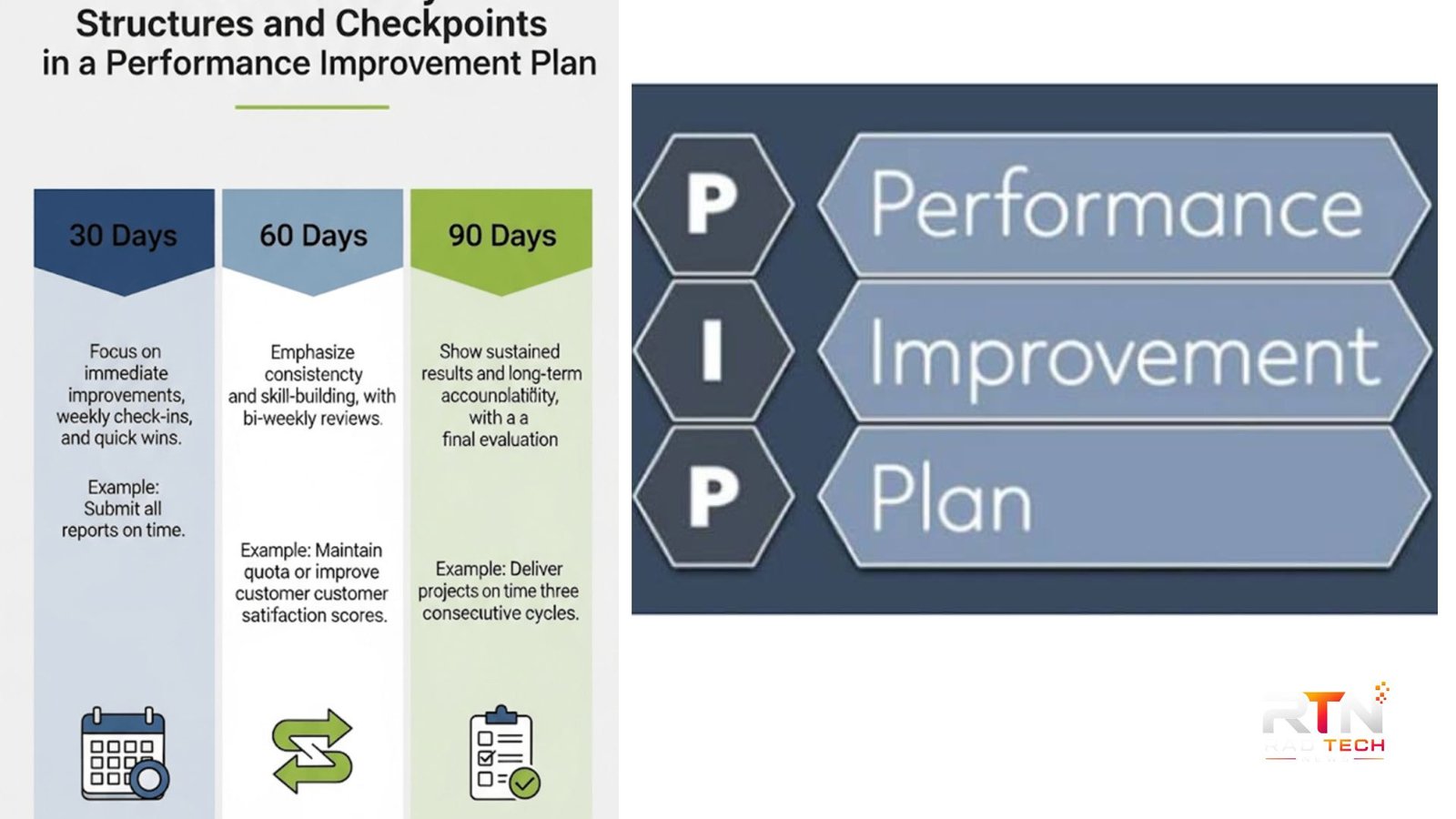
A performance improvement plan is a structured workplace document designed to help an employee address specific performance concerns and achieve clearly defined goals. It is not simply a warning or disciplinary notice; when created properly, it provides direction, support, and a measurable path toward improvement. Managers, HR professionals, and employees often need clarity about how these plans work, what they should include, and how they can lead to better outcomes.
A well-designed performance improvement plan balances accountability with development. It identifies gaps, explains expectations, sets timelines, and outlines the resources available to help an employee succeed.
What is a performance improvement plan?
A performance improvement plan (PIP) is a formal process used by organizations to document performance issues and establish a roadmap for improvement. It usually follows concerns about areas such as missed deadlines, quality problems, communication challenges, productivity levels, or failure to meet role expectations.
The purpose is to remove uncertainty. Instead of giving vague feedback like “performance needs to improve,” a PIP explains what needs to change, how success will be measured, and when progress will be reviewed.
Employers use these plans for different reasons. Some organizations view them primarily as a corrective action tool, while others use them as a structured coaching method. The effectiveness depends largely on whether the plan is fair, specific, and supported by regular communication.
Key elements of an effective improvement plan
A strong plan should contain practical details rather than general statements. The following components help create a useful framework:
| Element | Purpose | Example |
|---|---|---|
| Performance concerns | Defines the issue clearly | Reports contain repeated accuracy errors |
| Improvement goals | Establishes expected results | Reduce errors to an agreed standard |
| Timeline | Creates accountability | Review progress after 30, 60, or 90 days |
| Support resources | Helps the employee improve | Training, coaching, or updated guidance |
| Review process | Tracks progress objectively | Scheduled meetings with documented feedback |
The best plans connect problems with solutions. A manager should explain the current situation, provide examples, and avoid relying on assumptions or personal opinions.
How employers should create a fair PIP
Creating a successful performance improvement plan requires preparation. Managers should first gather relevant information, including previous feedback, performance records, and examples of the issue. The goal is to focus on observable behavior and measurable outcomes.
Clear goals are essential. A statement such as “improve teamwork” is difficult to evaluate because it lacks specific criteria. A stronger goal might describe actions such as attending required meetings, responding to colleagues within agreed timeframes, or completing assigned collaboration tasks.
Communication also affects the outcome. Employees should understand why the plan exists, what is expected, and how they can ask questions. Regular check-ins allow managers to recognize progress and address obstacles before the final review.
💡 Pro Tip
Schedule shorter, consistent progress meetings instead of waiting until the end of the review period. Frequent conversations make it easier to adjust support, clarify expectations, and prevent misunderstandings.
Common mistakes that reduce effectiveness
Not every improvement plan produces positive results. Problems often occur when organizations treat the process as a formality rather than a development opportunity.
Common mistakes include:
- Setting unrealistic goals without considering available resources.
- Using unclear language that leaves employees unsure about expectations.
- Failing to provide coaching or training.
- Documenting only negative feedback while ignoring progress.
- Applying inconsistent standards across employees.
A plan should not feel like a surprise. Ongoing feedback before formal action helps employees understand concerns early and gives them a reasonable opportunity to respond.
What employees should do during a PIP
Receiving a performance improvement plan can be stressful, but the process also provides a clear opportunity to demonstrate improvement. Employees should carefully review each requirement and ask questions about anything unclear.
Practical steps include:
- Understanding each goal and measurement method.
- Keeping records of completed work and achievements.
- Requesting clarification when expectations are uncertain.
- Applying feedback consistently.
- Preparing for review meetings with updates and evidence.
Employees can also use the process to identify skill gaps and request appropriate support. A constructive approach can help rebuild confidence and improve working relationships.
Performance improvement plan vs regular performance feedback
Regular feedback and formal improvement plans serve different purposes. Feedback is usually an ongoing conversation intended to guide everyday performance. A formal plan is more structured and typically used when previous feedback has not resolved significant concerns.
Regular feedback focuses on continuous guidance, while coaching discussions help employees develop specific skills. A formal improvement plan is generally reserved for documented performance gaps that require a clearer process.
Organizations should avoid using formal plans when simple coaching would solve the issue. At the same time, serious and repeated problems may require a documented process to ensure fairness for everyone involved.
📌 Key Takeaway
A successful performance improvement plan should provide clarity, measurable goals, reasonable support, and regular communication. Its value comes from creating a transparent process where both the organization and employee understand what improvement looks like.
Frequently Asked Questions
What is the purpose of a performance improvement plan?
The purpose is to help an employee understand specific performance concerns and provide a structured path toward meeting workplace expectations. It defines goals, timelines, support options, and review methods so improvement can be measured fairly.
How long does a typical improvement plan last?
The duration depends on the organization, role, and complexity of the performance concerns. Many plans use a review period of several weeks or months. The timeline should provide enough opportunity for meaningful progress while maintaining accountability.
Is a PIP the same as a warning?
No. A PIP can be part of a formal performance process, but it is not automatically the same as a disciplinary warning. Its focus is on identifying problems, setting expectations, and giving the employee an opportunity to improve.
Can an employee succeed after receiving a PIP?
Yes. Success depends on factors such as clear goals, available support, employee commitment, and consistent communication. Employees who understand expectations and actively work on improvement can use the process as a chance to demonstrate growth.
What should managers avoid when creating a PIP?
Managers should avoid vague goals, unfair deadlines, personal judgments, and inconsistent standards. A strong plan should be based on documented performance issues and should provide realistic guidance for improvement.
Conclusion
A thoughtfully prepared performance improvement plan can turn unclear performance concerns into a structured development process. The strongest plans focus on facts, measurable outcomes, and meaningful support rather than punishment alone. When employers communicate clearly and employees engage actively, the process can improve performance, strengthen accountability, and create better workplace results.
