
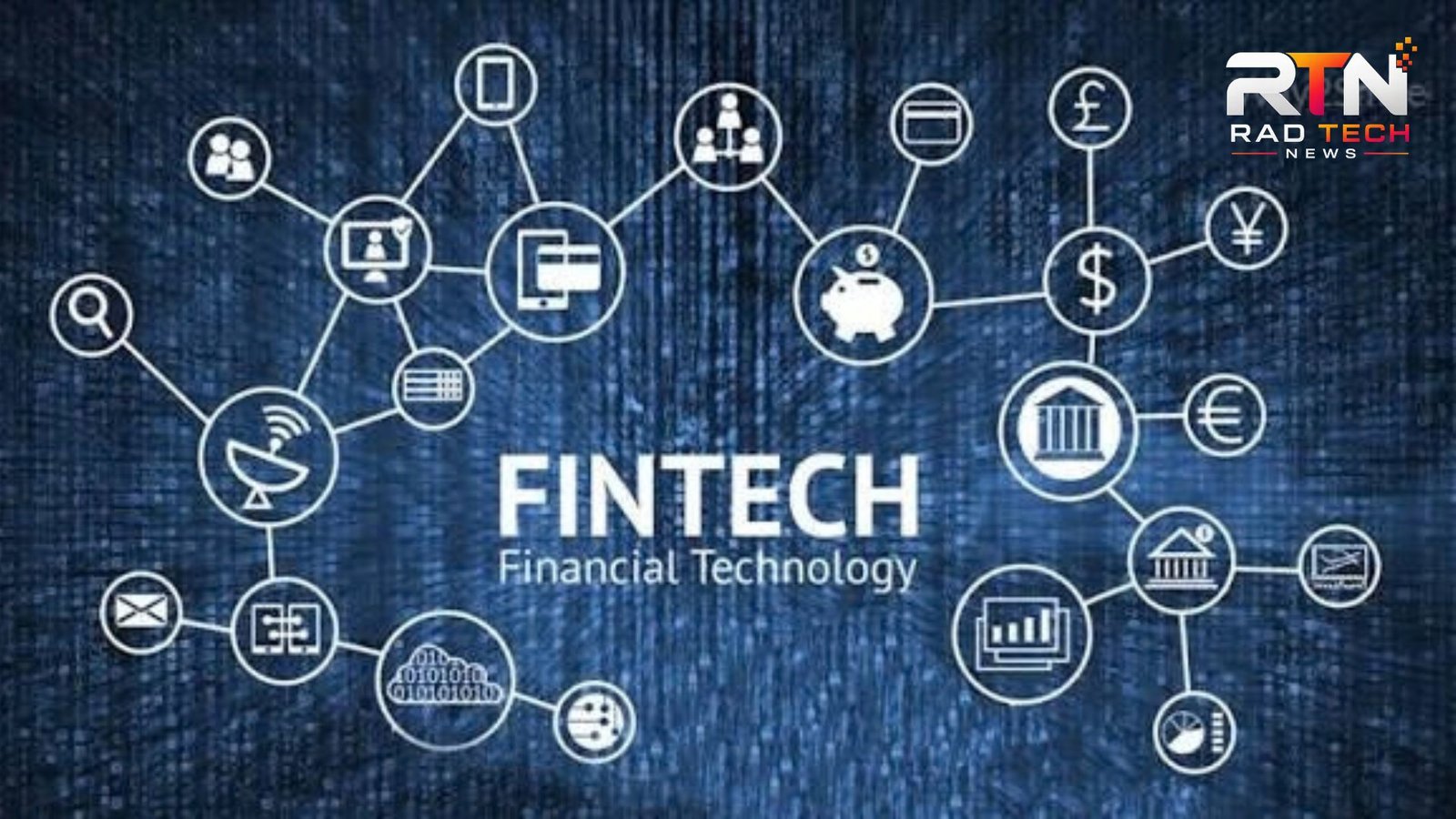
Fintech technology consulting helps banks, financial institutions, fintech companies, insurers, lenders, and payment providers turn technology investments into practical business capabilities. The work can include digital transformation, cloud modernization, payments, cybersecurity, data platforms, artificial intelligence, regulatory technology, and core-system integration.
For companies operating in the USA or UK, the challenge is rarely finding another technology product. The harder task is deciding what to change, how to integrate it with existing systems, how to manage operational and regulatory risk, and how to scale without creating unnecessary complexity.
What Is Fintech Technology Consulting?
Fintech technology consulting is specialized advisory and implementation support for businesses that use technology to deliver or improve financial services. The Federal Reserve describes fintech as technologically enabled innovation that can create new financial products, processes, applications, or business models with a material effect on financial services.
A consulting engagement can therefore range from a technology assessment to a complete transformation program. A consultant may evaluate an organization’s architecture, recommend a cloud strategy, redesign customer onboarding, integrate payment systems, strengthen cybersecurity, or help establish a roadmap for AI adoption.
The emphasis should be on solving a defined business problem rather than adopting technology simply because it is fashionable.
Core Services Financial Businesses Need
Effective fintech technology consulting usually combines business strategy with technical execution. Common service areas include:
| Service area | Typical business objective | Key considerations |
|---|---|---|
| Digital transformation | Improve customer and employee experiences | UX, APIs, automation, integration |
| Cloud modernization | Increase scalability and flexibility | Architecture, resilience, security |
| Payments technology | Modernize money movement | Gateways, payment hubs, cross-border flows |
| Data and AI | Improve decisions and automation | Data quality, governance, model risk |
| Cybersecurity | Protect systems and customer information | Identity, monitoring, resilience |
| RegTech | Strengthen compliance operations | KYC, AML, reporting, controls |
| Core modernization | Replace or connect legacy platforms | Migration, APIs, continuity |
These capabilities reflect areas already identified in financial-services innovation, including lending, payments, RegTech, core banking, digital onboarding, AI, machine learning, and blockchain applications.
Digital banking and customer experience
Customer expectations increasingly influence technology priorities. Consultants can help financial businesses redesign account opening, authentication, servicing, lending journeys, and mobile experiences while connecting front-end applications to reliable back-end systems.
Payments and embedded finance
Payment infrastructure requires careful attention to transaction flows, APIs, fraud controls, reconciliation, and operational resilience. In the UK, the government is also developing changes around payment services, Open Banking, tokenised payments, and emerging AI-enabled payment activity, making regulatory awareness particularly relevant to technology planning.
Data, AI, and automation
AI can support areas such as customer service, fraud detection, document processing, underwriting, and internal operations. However, financial organizations need appropriate data governance, security controls, human oversight, and model-risk processes before deploying AI in consequential workflows.
💡 Pro Tip: Before funding an AI or automation project, map the complete process from source data to final business decision. This often exposes integration, data-quality, compliance, and ownership issues that a technology demonstration will not reveal.
Why Companies Use Fintech Technology Consulting
A major benefit is independent technical direction. Internal teams may understand their systems extremely well but still struggle to evaluate modernization options objectively while managing daily operations.
A specialist can assess the current architecture, identify dependencies, compare implementation approaches, and create a phased roadmap. That can help management connect technology spending with measurable business objectives.
Another benefit is risk management. Financial institutions depend on third-party technology providers, and regulators have emphasized the importance of managing technology-service-provider risk as reliance on external services grows.
Consulting can also help organizations avoid a common modernization mistake: replacing one isolated legacy application without addressing the surrounding data, integration, security, and operational processes.
Choosing a Consulting Partner in the USA or UK
The right partner should understand both technology and financial-services operating requirements. A strong evaluation should examine:
- Financial-services experience: Look for relevant work in banking, payments, lending, insurance, wealth management, or related fields.
- Architecture capability: The firm should be able to explain integration, APIs, cloud infrastructure, data architecture, and legacy dependencies in practical terms.
- Security expertise: Cybersecurity should be considered throughout design and implementation, not added at the end.
- Regulatory awareness: Requirements differ by jurisdiction, business model, product, and activity. The UK has established financial-services innovation structures involving bodies such as the FCA and PRA, while US firms operate within a different regulatory environment.
- Implementation capability: Strategy has limited value if the recommendations cannot be translated into an executable delivery plan.
- Communication: Technical recommendations should be understandable to executives, compliance teams, product leaders, and engineers.
For UK organizations with demanding cybersecurity requirements, the National Cyber Security Centre maintains assurance schemes for certain professional cybersecurity services, including risk management, security architecture, and audit and review.
A Practical Approach to Technology Transformation
A successful consulting program normally begins with a clear business problem. The organization should establish its current-state architecture, identify pain points, document regulatory and security constraints, and define measurable outcomes.
The next step is prioritization. Not every outdated component needs immediate replacement. Some systems may be stable and inexpensive to maintain, while others may create serious operational or integration constraints.
A phased roadmap can then separate urgent improvements from longer-term modernization. For example, a financial company might first improve API integration and identity management, then migrate selected workloads to the cloud, and later address deeper core-system modernization.
Testing should happen before large-scale deployment. Security reviews, data validation, integration testing, user acceptance testing, resilience exercises, and rollback planning can reduce the operational consequences of a failed release.
📌 Key Takeaway: The strongest technology strategy is not necessarily the one with the newest tools. It is the one that connects technology decisions with customer needs, operational resilience, regulatory obligations, security, and measurable business outcomes.
Frequently Asked Questions
What does a fintech technology consultant do?
A fintech technology consultant evaluates technology and business requirements and recommends practical solutions. Depending on the engagement, the consultant may work on architecture, cloud migration, payments, data, AI, cybersecurity, digital banking, regulatory technology, or legacy-system modernization.
How can consulting help a financial institution modernize legacy systems?
Consultants can map existing dependencies, identify high-risk components, design integration layers, evaluate replacement options, and create phased migration plans. This approach can allow organizations to modernize selected capabilities without unnecessarily disrupting critical financial operations.
Is fintech technology consulting only for banks?
No. Fintech companies, payment providers, insurers, lenders, investment businesses, wealth-management firms, and other financial-services organizations can use consulting services. The appropriate scope depends on the organization’s products, technology environment, customers, regulatory obligations, and growth plans.
What should a fintech company consider before hiring a consultant?
Consider relevant financial-services experience, technical architecture skills, cybersecurity capability, regulatory knowledge, implementation experience, communication style, and the firm’s ability to work with internal teams. A clearly defined project scope and measurable outcomes should also be established before work begins.
Does fintech consulting include cybersecurity?
It can. Cybersecurity may cover identity and access management, secure architecture, threat assessment, monitoring, resilience, incident preparation, and security controls. Because financial services depend heavily on digital systems and third parties, security should be integrated into technology planning rather than treated as a separate final-stage activity.
Conclusion
Financial technology projects succeed when technology serves a clearly defined business purpose. Fintech technology consulting can provide the architecture, planning, implementation guidance, and risk perspective needed to modernize financial services without losing sight of security or operational continuity.
For organizations in the USA and UK, the most useful strategy is usually practical: define the problem, understand the existing environment, assess regulatory and security requirements, prioritize investments, and build a roadmap that can be delivered in stages.
