

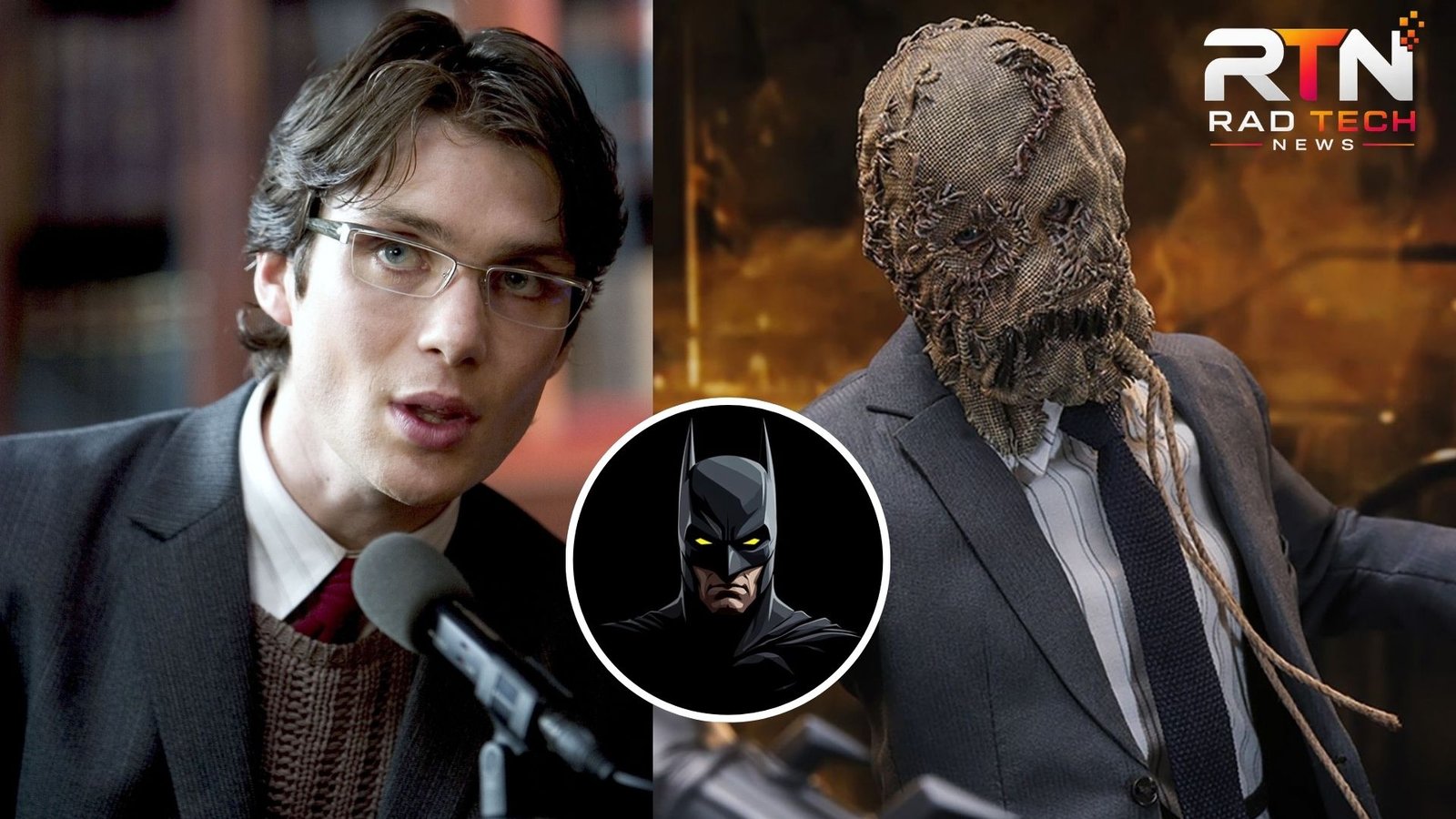
When Christopher Nolan rebooted the Dark Knight franchise in 2005, he fundamentally altered how comic book cinema approached psychological terror. Central to this grounded cinematic tone was Cillian Murphy’s portrayal of Dr. Jonathan Crane, the chilling administrator at Arkham Asylum. The batman begins scarecrow character served as a terrifying catalyst for the story, weaponizing fear in a city already decaying from political corruption and organized crime.
Rather than relying on theatrical theatrics alone, this iteration introduced a cold, methodical villain whose weapon of choice was entirely internal.
The Psychological Depth of Dr. Jonathan Crane
Dr. Jonathan Crane represents a sophisticated contrast to classic comic book antagonists. Operating under the facade of a respected chief administrator at Arkham Asylum, Crane secretly manipulates Gotham City’s justice system. He declares high-profile mobsters insane to shield them from prosecution while conducting illegal human experiments with a hallucinogenic fear toxin derived from rare Himalayan blue poppies.
Crane’s physical transformation into his alter ego is deliberately minimalist. Instead of wearing a full costume, he dons a crude burlap mask equipped with an internal rebreather system. This design choice grounded the villain in tactical realism while maximizing psychological distress for his victims.
Key Narrative Functions in Nolan’s Trilogy
- Thematic Parallel: Crane mirrors Bruce Wayne’s journey by utilizing fear as a primary instrument, though Crane uses it to paralyze rather than liberate.
- Plot Catalyst: He bridges the gap between Falcone’s traditional mob rule and Ra’s al Ghul’s apocalyptic grand plan for Gotham.
- Evolving Presence: Murphy’s character became the only villain to appear across all three entries in Nolan’s Dark Knight trilogy.
💡 Pro Tip: When analyzing character arcs in modern comic book adaptations, focus on how grounded costume design and realistic villain motivations elevate narrative tension far beyond CGI effects.
Psychological Terror vs Traditional Comic Villains
Nolan’s realistic approach set a new standard for live-action superhero films by pairing clinical intellect with visceral terror.
| Character Aspect | Classic Comic Depiction | Batman Begins Adaptation |
| Primary Weapon | Standard fear gas sprayers | Weaponized hallucinogenic compound mixed into city water |
| Mask & Costume | Full straw-filled scarecrow outfit | Tailored suit paired with a tactical burlap filter mask |
| Motivation | Obsessive revenge on academia | Systemic manipulation, criminal profit, and sociopathic research |
| Base of Operation | Abandoned hideouts | Arkham Asylum’s psychiatric ward |
Crane’s calculated calm contrasts sharply with the terrifying hallucinatory nightmares experienced by those exposed to his toxin, including Batman himself during their first encounter at the Narrows.
📌 Key Takeaway: The brilliant execution of the batman begins scarecrow character succeeded because it grounded psychological terror in biological realism, creating a blueprint for modern superhero antagonists.
Conclusion
The legacy of the batman begins scarecrow performance lies in its ability to bridge realistic thriller elements with comic book origins. By stripping away cartoonish tropes and anchoring Dr. Jonathan Crane in clinical malice, Christopher Nolan and Cillian Murphy crafted a terrifyingly grounded antagonist. Their psychological approach not only elevated the narrative stakes of Batman Begins but also established a gold standard for cinematic villainy that continues to influence the superhero genre today.
Frequently Asked Questions
1. Who played Scarecrow in Batman Begins?
Irish actor Cillian Murphy played Dr. Jonathan Crane, also known as Scarecrow. Murphy originally auditioned for the role of Bruce Wayne before director Christopher Nolan cast him as the psychological villain instead.
2. What is Scarecrow’s fear toxin made from in the film?
In the movie, the fear toxin is derived from a rare blue flower found in the Himalayan mountains. Ra’s al Ghul and the League of Shadows provided the raw materials to Dr. Crane to synthesize into a weaponized hallucinogen.
3. How does Batman defeat Scarecrow in Batman Begins?
Batman defeats Dr. Crane in the Narrows by exposing him to his own weaponized fear toxin using a modified wrist applicator, forcing Crane to experience horrifying hallucinations before he is apprehended.
4. Does Scarecrow appear in other Dark Knight movies?
Yes, Cillian Murphy reprises his role as Jonathan Crane in brief cameos in both The Dark Knight (2008) and The Dark Knight Rises (2012), making him a recurring antagonist throughout the trilogy.
