

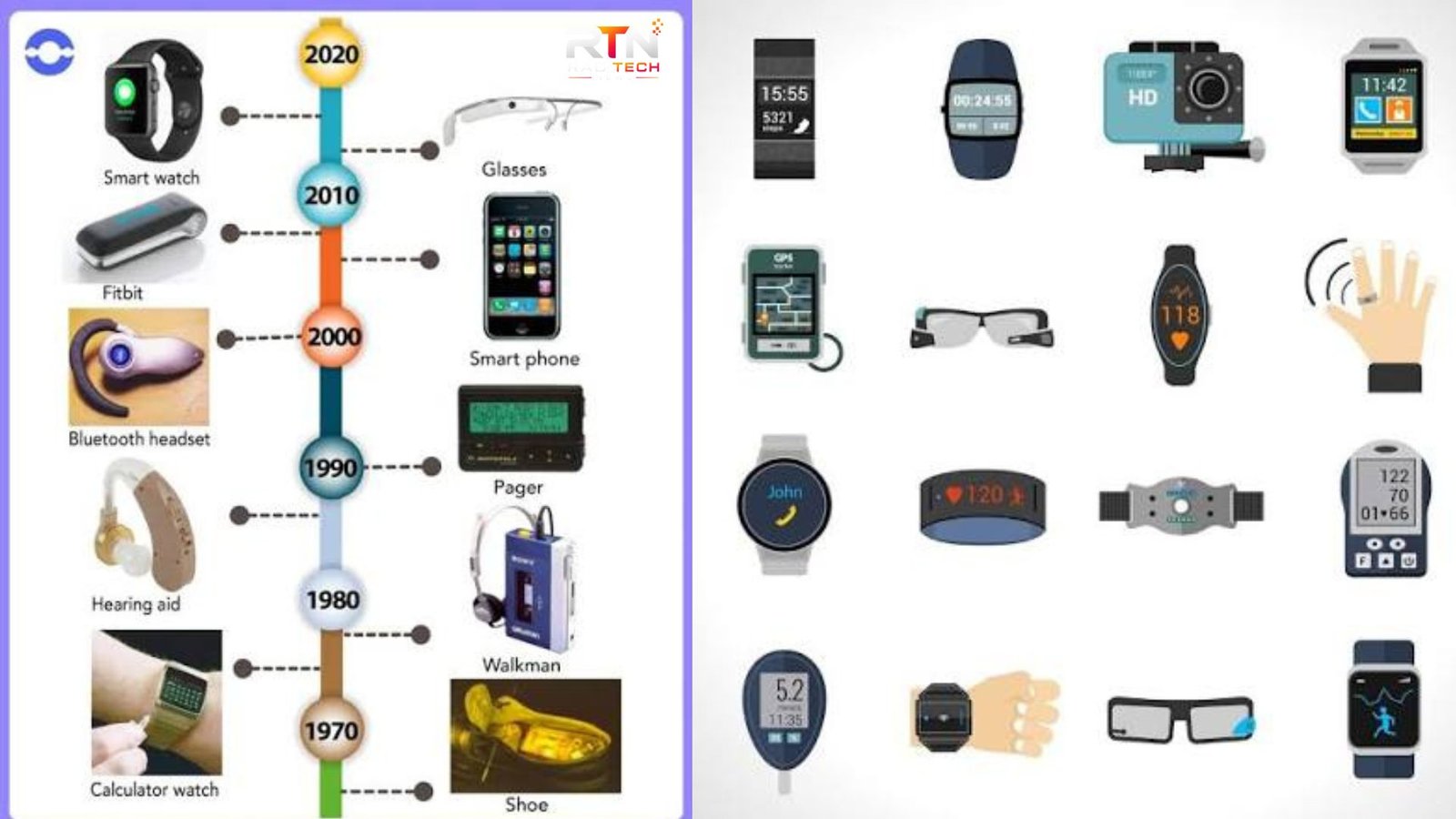
What is wearable technology? It refers to electronic devices designed to be worn on the body or incorporated into clothing and accessories. These devices use sensors, software, connectivity, and sometimes artificial intelligence to collect information, communicate with other devices, or provide useful functions.
Common examples include smartwatches, fitness trackers, smart rings, connected glasses, health-monitoring patches, and specialized medical devices. Some focus on convenience and communication, while others monitor physical activity or specific health measurements.
This guide explains how wearable technology works, where it is used, its benefits and limitations, and what consumers should consider before choosing a device.
What Is Wearable Technology and How Does It Work?
At its simplest, wearable technology combines a small computing system with sensors that can collect information from the user’s surroundings or body.
A wearable may contain motion sensors, optical sensors, temperature sensors, GPS, microphones, or other components. The device processes the information and may display results directly or send them to a smartphone, computer, or cloud service.
NIST describes wearables as Internet of Things devices worn on the body or used as accessories. Depending on the device, sensors can collect information such as temperature, cardiovascular activity, or location.
A typical wearable system works through four stages:
- Sensing: Sensors collect physical or environmental information.
- Processing: Software interprets the collected signals.
- Connectivity: Bluetooth, Wi-Fi, cellular networks, or other connections may transfer data.
- Feedback: The device or companion app presents measurements, notifications, recommendations, or alerts.
Not every wearable includes all four functions. A basic activity tracker, for example, may have fewer capabilities than a smartwatch with cellular connectivity and third-party apps.
Types of Wearable Technology
The wearable market covers considerably more than smartwatches. Different devices are designed around different user needs.
| Wearable type | Common uses | Typical features |
|---|---|---|
| Smartwatch | Communication, fitness, everyday tasks | Notifications, apps, GPS, sensors |
| Fitness tracker | Activity and wellness tracking | Steps, movement, exercise metrics |
| Smart ring | Compact health and activity monitoring | Sleep, movement, selected biometrics |
| Smart glasses | Information and hands-free interaction | Cameras, displays, audio |
| Wearable medical device | Health monitoring or clinical applications | Specialized sensors and measurements |
| Smart clothing | Sports, work, or specialized monitoring | Embedded sensors and connectivity |
The distinction between consumer wellness products and medical devices matters. The U.S. Food and Drug Administration notes that digital health technologies can range from general-wellness applications to technologies that qualify as medical devices.
Smartwatches and Fitness Trackers
Smartwatches are among the most recognizable wearable devices. They can combine timekeeping with notifications, calls, apps, navigation, exercise tracking, and health-related measurements.
Fitness trackers generally concentrate more heavily on physical activity and wellness. Depending on the model, they can record movement, exercise sessions, sleep-related information, or other metrics.
Smart Rings and Connected Accessories
Smart rings provide another approach by placing sensors in a smaller form factor. They can be designed to track selected activity, sleep, or physiological measurements without the screen associated with a smartwatch.
Other connected accessories include smart glasses, headphones, clothing, and patches. Their capabilities vary considerably by manufacturer and intended use.
How Is Wearable Technology Used?
Wearables have applications in everyday life, sports, workplaces, entertainment, accessibility, and healthcare.
For fitness, a wearable can help users review exercise sessions, monitor activity patterns, and set personal goals. GPS-equipped devices can also record routes during activities such as running or cycling.
In healthcare, the technology can serve a more specialized role. The FDA identifies wearable devices such as smartwatches, rings, patches, and bands among sensor-based digital health technologies capable of monitoring certain health parameters in non-clinical settings.
Some medical wearables can support remote monitoring by transmitting information to healthcare systems or professionals. Wireless medical technologies can also allow patient information to be transferred from a medical device to another platform, such as a smartphone.
However, a consumer wearable should not automatically be treated as a diagnostic instrument. A measurement or notification can provide useful information without establishing a medical diagnosis.
💡 Pro Tip: Before relying on a wearable for health decisions, check exactly what the manufacturer says each measurement means. Look for information about intended use, accuracy, limitations, and whether the particular feature has been authorized or cleared for a medical purpose.
Benefits of Wearable Technology
One major advantage is convenience. Sensors can collect information while a person continues normal activities rather than requiring every measurement to happen manually.
Wearables can also make personal data easier to understand. A companion application may turn raw sensor readings into trends, summaries, charts, or notifications.
For healthcare, connected devices can potentially extend monitoring beyond traditional clinical environments. The FDA says digital health technologies can provide more frequent or continuous information outside healthcare settings, although reliability and interpretation remain important considerations.
Other potential advantages include:
- Activity awareness: Users can better understand movement and exercise patterns.
- Convenience: Notifications and basic tasks can be handled without reaching for a phone.
- Remote monitoring: Certain medical devices can transmit information to healthcare professionals.
- Personalization: Software can use collected data to present information relevant to an individual.
- Accessibility: Specialized wearables can support communication, mobility, or other assistive needs.
Limitations and Risks
Wearable technology is not automatically accurate simply because it produces a precise-looking number. Sensors can be affected by movement, device placement, environmental conditions, skin contact, software algorithms, and other factors.
Health-related data also creates privacy and cybersecurity considerations. Connected medical devices can communicate with phones, networks, and other systems, which means security becomes an important part of responsible use. The FDA specifically highlights cybersecurity considerations for connected medical devices.
There is also the question of data interpretation. Algorithms may produce incorrect results or users may misunderstand what a measurement represents. The FDA notes that digital health technologies using advanced algorithms can be susceptible to errors or bias, potentially affecting the interpretation of health information.
Before purchasing a device, consider:
- What information does it actually measure?
- How long does the battery last?
- Which phone or operating systems does it support?
- What happens to the collected data?
- Can the device function without a subscription?
- Is a health feature intended for general wellness or a medical purpose?
📌 Key Takeaway
Wearable technology is best understood as a broad category rather than a single type of gadget. Its defining feature is the combination of wearable hardware, sensors, software, and connectivity. A smartwatch, fitness tracker, smart ring, and specialized medical patch may look very different, but they all use this basic concept to collect or deliver information.
Frequently Asked Questions
What is wearable technology used for?
Wearable technology is used for activities such as fitness tracking, communication, navigation, entertainment, accessibility, workplace applications, and health monitoring. Its capabilities depend on the device. Some products are designed primarily for general wellness, while specialized devices can have medical applications and may be subject to regulatory requirements.
Are wearable devices accurate?
Accuracy varies by device, sensor, measurement, and conditions of use. Movement, placement, fit, environmental factors, and software can influence results. A wearable’s measurement should therefore be interpreted according to its intended purpose and limitations rather than assumed to be equivalent to a clinical measurement.
Is wearable technology safe?
Most consumer wearables are designed for routine use, but safety depends on the particular product and how it is used. Privacy, cybersecurity, skin irritation, battery issues, and misunderstanding health information are among the considerations. Medical devices require additional attention to their authorized or intended uses.
Can wearable technology improve healthcare?
It can support healthcare by collecting information outside traditional clinical environments and, for some devices, enabling remote monitoring. The FDA recognizes the potential of digital health technologies to provide information more frequently or continuously. However, the usefulness of any device depends on the quality and interpretation of its measurements.
What is the difference between a fitness tracker and a smartwatch?
A fitness tracker generally emphasizes activity and wellness measurements, while a smartwatch typically offers a broader set of functions, including notifications, applications, communication, and sometimes cellular connectivity. The categories overlap, however, and modern fitness trackers can include smartwatch-like features.
Conclusion
Understanding what is wearable technology requires looking beyond the familiar image of a smartwatch. The category includes many forms of connected devices that place sensors and computing capabilities close to the user.
Their value comes from making information available during everyday activities, but useful data is not necessarily the same as perfect data. Choosing the right device means considering its purpose, measurements, privacy practices, compatibility, and limitations. Used with realistic expectations, wearable technology can be a practical tool for personal activity, connected services, and selected health applications.
