
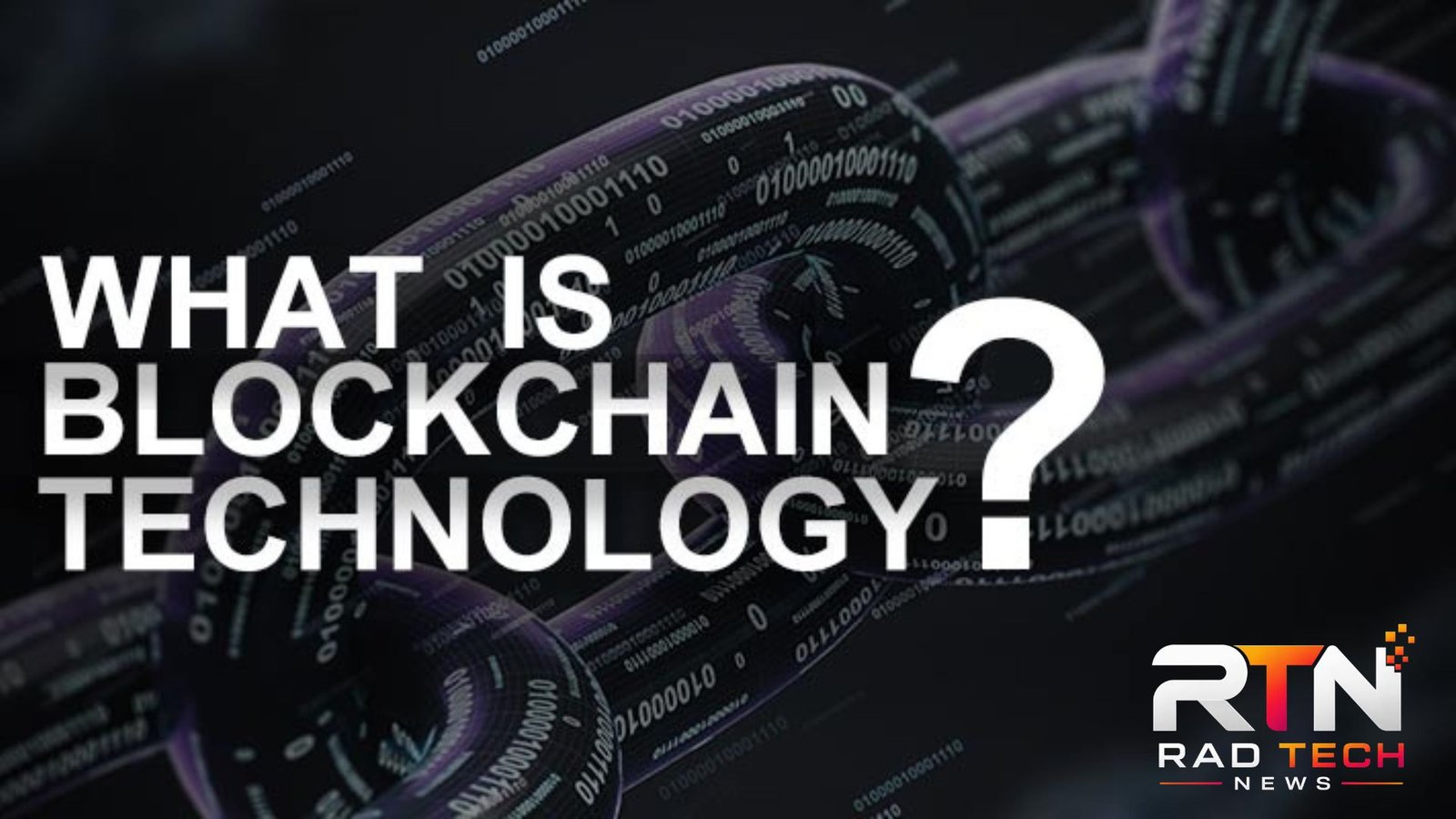
Blockchain technology is a distributed system for recording transactions and data across a network of computers rather than relying on one central authority. Best known as the foundation of cryptocurrencies such as Bitcoin and Ethereum, it now supports use cases in finance, logistics, digital identity, supply chains, and asset ownership. Its appeal comes from a combination of transparency, shared verification, and resistance to unauthorized changes.
What Is Blockchain Technology and How Does It Work?
A blockchain is a digital ledger made of records grouped into blocks. Each block contains data, a timestamp, and a cryptographic reference to the previous block. That structure links records together, making past entries difficult to alter without detection.
When a new transaction is proposed, network participants verify it according to agreed rules. Once validated, the transaction is added to the ledger and synchronized across participating computers, often called nodes.
| Core Element | What It Does | Why It Matters |
|---|---|---|
| Distributed ledger | Stores synchronized records across multiple nodes | Reduces dependence on one central database |
| Cryptography | Secures data and links blocks | Helps protect integrity and authenticity |
| Consensus mechanism | Determines how transactions are validated | Keeps network participants aligned |
| Smart contracts | Executes programmed rules automatically | Enables digital agreements and automated workflows |
Key Benefits and Practical Uses
Blockchain technology can improve trust where multiple parties need to share data but may not fully trust one another. Public networks can make transaction histories auditable, while permissioned blockchains can restrict access to approved organizations.
Common applications include cross-border payments, tokenized assets, product traceability, decentralized finance, digital credentials, and smart-contract automation. In supply chains, for example, participants can record the movement of goods on a shared ledger, making it easier to identify when and where records changed.
💡 Pro Tip: Before adopting a blockchain solution, compare it with a conventional database. If one trusted organization already controls the data and high transaction speed matters most, a traditional system may be simpler and cheaper.
Risks, Limitations, and Security Considerations
Blockchain systems are not automatically secure simply because they are decentralized. Risks can come from faulty smart-contract code, stolen private keys, weak governance, network attacks, or unreliable data entered at the source.
Scalability is another challenge. Some public networks process transactions more slowly or at higher cost during periods of heavy demand. Energy use also varies widely depending on the consensus model.
Organizations should evaluate privacy requirements, regulatory obligations, interoperability, transaction costs, and who controls software updates before deployment.
📌 Key Takeaway: Blockchain is most valuable when several parties need a shared, tamper-resistant record and no single participant should have complete control over the system.
Conclusion
Blockchain technology offers a powerful way to maintain shared records across distributed networks, but its value depends on choosing the right problem. It can strengthen transparency, automation, and trust between independent participants, yet it also introduces technical, legal, and governance challenges. For most organizations, the smartest approach is to evaluate blockchain alongside conventional databases rather than treating it as a universal replacement.
Frequently Asked Questions
1. Is blockchain the same as Bitcoin?
No. Bitcoin is a cryptocurrency that uses blockchain as its underlying record-keeping system. Blockchain is the broader technology. Other networks, including Ethereum, use similar distributed-ledger concepts for smart contracts, applications, tokens, and decentralized services. A blockchain can also be used without issuing a public cryptocurrency.
2. Can blockchain data be changed?
Blockchain records are designed to be highly resistant to unauthorized alteration, but “immutable” does not mean impossible to change under every circumstance. Changes may occur through agreed network upgrades, governance decisions, or attacks on poorly secured systems. The real strength comes from cryptography, distributed copies, and consensus rules working together.
3. What are smart contracts?
Smart contracts are programs stored on a blockchain that run automatically when specified conditions are met. They can transfer digital assets, enforce workflow rules, or trigger actions without a traditional intermediary. Their reliability depends heavily on correct coding, secure inputs, and careful testing because software errors can create financial or operational risks.
4. Is blockchain useful outside cryptocurrency?
Yes. Businesses and governments explore blockchain for supply-chain traceability, digital identity, document verification, asset tokenization, settlement systems, and shared records between organizations. The best use cases typically involve multiple parties, a need for consistent records, and limited trust between participants. Not every database problem benefits from decentralization.
5. Is blockchain technology safe?
Blockchain technology can provide strong data integrity, but overall security depends on the design and operation of the entire system. Users must protect private keys, developers must secure smart contracts, and networks need resilient consensus and governance. A secure blockchain cannot guarantee that inaccurate information entered into it becomes trustworthy.
