
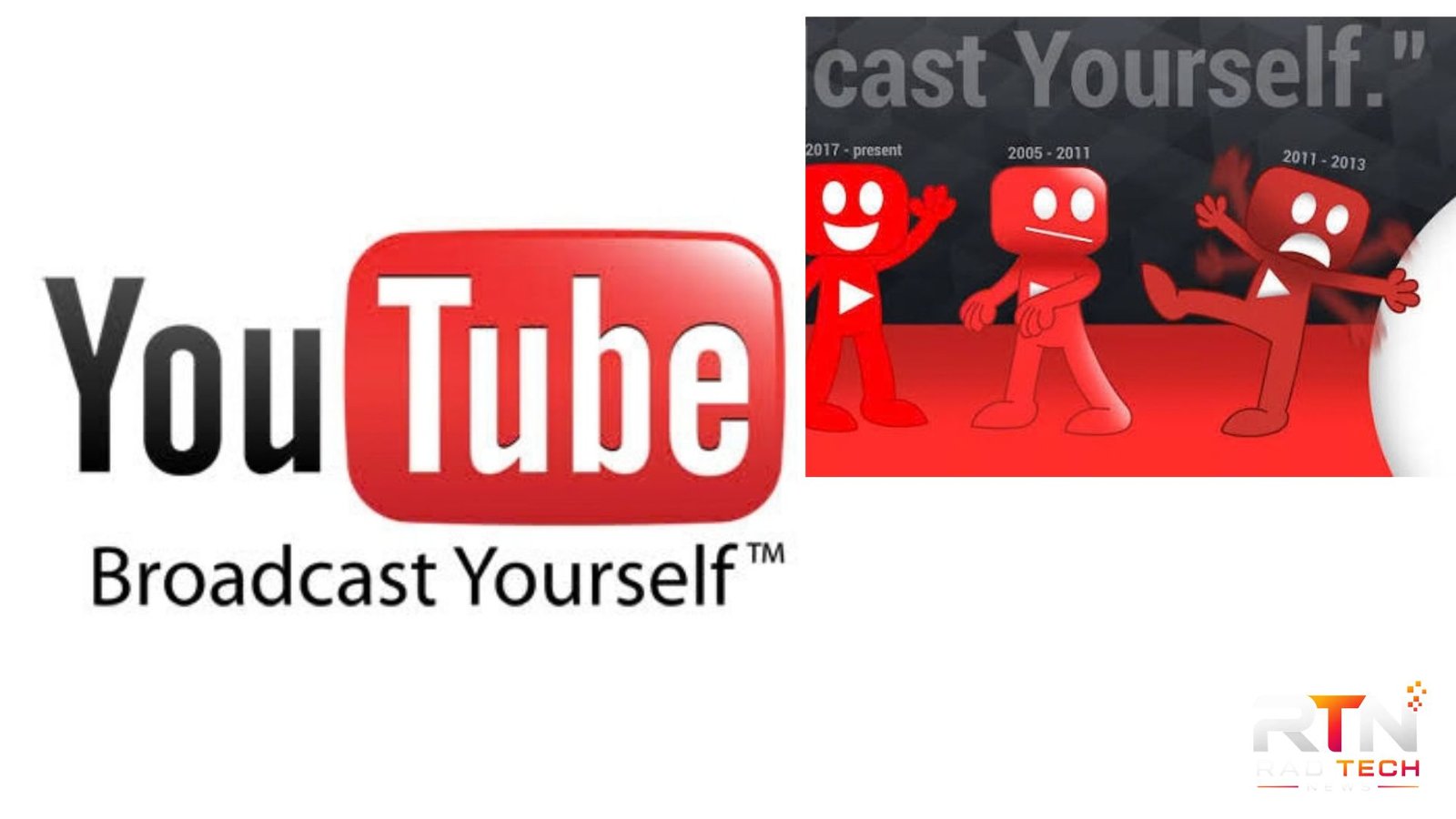
YouTube Broadcast Yourself is more than an old slogan. It captures an idea that helped define YouTube: ordinary people could create videos, publish them online, and reach audiences without traditional television or media gatekeepers. YouTube still uses the phrase in its creator guidance when discussing how people can share their interests, personality, and passions through their channels.
For new creators, understanding the phrase is useful because it explains part of YouTube’s original identity while also connecting with modern channel building. The platform has changed dramatically since its launch, but personal expression, audience connection, and original content remain central to the creator experience.
What Does YouTube Broadcast Yourself Mean?
YouTube Broadcast Yourself refers to the idea of using YouTube as a personal broadcasting platform. Instead of relying on a television network, newspaper, or production company, an individual can create a channel and publish videos directly for viewers.
The concept became closely associated with YouTube during its early growth. In 2006, YouTube described its users—including videobloggers, comedians, filmmakers, musicians, and other creators—as central to the platform’s purpose.
The phrase therefore has two meanings:
- Historical: It represents YouTube’s early creator-focused identity.
- Practical: It encourages people to communicate their interests, skills, ideas, and personality through video.
YouTube’s current creator guidance still describes the opportunity to broadcast yourself through interests, passions, personality, and other forms of self-expression.
How YouTube Broadcast Yourself Shaped Online Video
Before YouTube became a major global platform, distributing video could require specialized equipment, technical knowledge, or access to traditional media. YouTube lowered many of those barriers by providing a place where users could upload and share videos online.
In a 2010 anniversary article, YouTube described its original mission as giving people a simple way to upload videos and share them with the world. The company specifically connected that mission with filmmakers, politicians, parents, and other ordinary users.
The idea also expanded beyond entertainment. YouTube highlighted uses including education, independent filmmaking, personal reporting, music, and communication.
That history helps explain why YouTube Broadcast Yourself became such a recognizable expression. It was not simply about becoming famous. It was about having a publishing channel that anyone could use.
| Then and Now | Early YouTube | Modern YouTube |
|---|---|---|
| Main opportunity | Upload and share personal videos | Build videos, Shorts, live streams, and communities |
| Creator identity | Individual uploader | Personal brand or creator business |
| Audience | Friends and emerging online viewers | Local, national, or global audiences |
| Production | Often simple and informal | Anything from smartphones to professional studios |
| Main challenge | Getting discovered | Standing out and retaining viewers |
Is “Broadcast Yourself” Still Relevant?
Yes, although the creator environment is very different from YouTube’s early years.
Today’s creators can develop channels around education, commentary, gaming, cooking, technology, music, fitness, entertainment, tutorials, or highly specialized interests. YouTube’s current guidance emphasizes defining who you are as a creator, understanding what makes you unique, and making channel branding consistent with your message.
That makes the principle behind YouTube Broadcast Yourself relevant even when the original slogan is viewed historically. The practical question is no longer simply, “Can I upload a video?” It is also, “What can viewers consistently expect from my channel?”
Authenticity Needs Structure
Being authentic does not mean publishing everything about your private life. A successful channel can be highly personal while still having boundaries.
Choose a clear subject or perspective, develop a recognizable presentation style, and decide what parts of your personality genuinely belong in the content. A creator who teaches, reviews, entertains, or documents a process can still have a strong personal identity without making every video autobiographical.
💡 Pro Tip: Before recording, write down one sentence describing what a viewer should gain from the video. If you cannot explain the value clearly, improve the idea before spending time on production.
How to Broadcast Yourself on YouTube Today
A modern creator can start without an elaborate studio. The most important early decisions concern the content rather than expensive equipment.
1. Define Your Channel
Choose a subject area that gives you enough ideas for multiple videos. A focused channel is easier to understand than one that jumps randomly between unrelated topics.
2. Create Useful Videos
Think about the viewer’s reason for clicking. Tutorials should solve a problem. Reviews should provide meaningful information. Commentary should offer a clear perspective. Entertainment should deliver the experience promised by the title and thumbnail.
3. Build Recognizable Branding
Your channel name, profile image, banner, thumbnails, and presentation style work together. YouTube recommends considering how channel visuals communicate your identity and remain consistent online and offline.
4. Develop a Sustainable Schedule
A realistic publishing schedule is more useful than an ambitious schedule you cannot maintain. Consistency gives viewers a predictable reason to return while giving you opportunities to learn what content works for your audience.
5. Study Your Audience
Use available channel analytics to understand which topics attract viewers and where people lose interest. Treat those measurements as feedback rather than as a substitute for editorial judgment.
Common Mistakes New Creators Make
The biggest mistake is treating YouTube as a place to upload anything without considering the viewer. Personal expression works better when it has a clear audience benefit.
Another problem is copying established creators too closely. Studying successful formats can teach structure, but your channel needs its own subject, voice, and point of view.
Creators should also avoid assuming that expensive equipment automatically produces better videos. Clear audio, useful information, good lighting, and purposeful editing can matter more than owning sophisticated gear.
Copyright is another essential consideration. Using music, footage, images, or other material without appropriate rights can create problems for a channel. Original work and properly licensed material provide a safer foundation for long-term publishing.
Why the Phrase Still Matters to Creators
The lasting value of YouTube Broadcast Yourself is its emphasis on participation. YouTube was built around the idea that viewers could also become creators, publishers, performers, educators, and storytellers.
That philosophy has evolved alongside the platform. YouTube now supports a much broader creator ecosystem, while the basic opportunity remains recognizable: create something, publish it, find an audience, and develop a relationship with viewers.
📌 Key Takeaway: YouTube Broadcast Yourself is best understood as a creator-first philosophy rather than simply a historical slogan. Its modern lesson is straightforward: develop a clear identity, publish original material, and give viewers a reason to return.
Frequently Asked Questions
What was the original meaning of “Broadcast Yourself” on YouTube?
“Broadcast Yourself” represented YouTube’s early emphasis on letting individuals publish and share their own videos. The platform positioned creators and ordinary users as an important part of online video rather than limiting publishing to traditional media organizations.
Is “Broadcast Yourself” still YouTube’s official slogan?
The phrase remains strongly associated with YouTube’s history, and YouTube still uses “broadcast yourself” language in current creator materials. However, modern YouTube is a much broader platform than it was when the phrase became widely recognized.
Can beginners still build a YouTube channel from scratch?
Yes. Beginners can start with relatively simple production setups and improve as they learn. A clearly defined topic, useful videos, consistent presentation, and an understanding of the intended audience are more important starting considerations than creating a highly elaborate studio.
What should a new YouTube creator focus on first?
Start with a clear audience and a specific content purpose. Decide what problem you solve or what experience you provide, then create videos that deliver that value. After publishing, use viewer feedback and analytics to refine future topics, titles, thumbnails, and formats.
Does broadcasting yourself mean sharing your private life?
No. Personal expression does not require complete personal disclosure. A creator can build a recognizable personality around expertise, humor, storytelling, teaching, commentary, or creativity while keeping private information outside the channel.
Conclusion
YouTube Broadcast Yourself represents one of the ideas that helped make online video accessible to individual creators. Its historical importance comes from changing who could publish video, while its modern relevance comes from encouraging creators to develop their own voice and audience.
The strongest interpretation today is not simply to broadcast more content. It is to publish something that has a clear purpose, reflects your creative identity, and gives viewers a reason to watch again. That principle can remain useful regardless of how YouTube’s tools and formats continue to evolve.
