
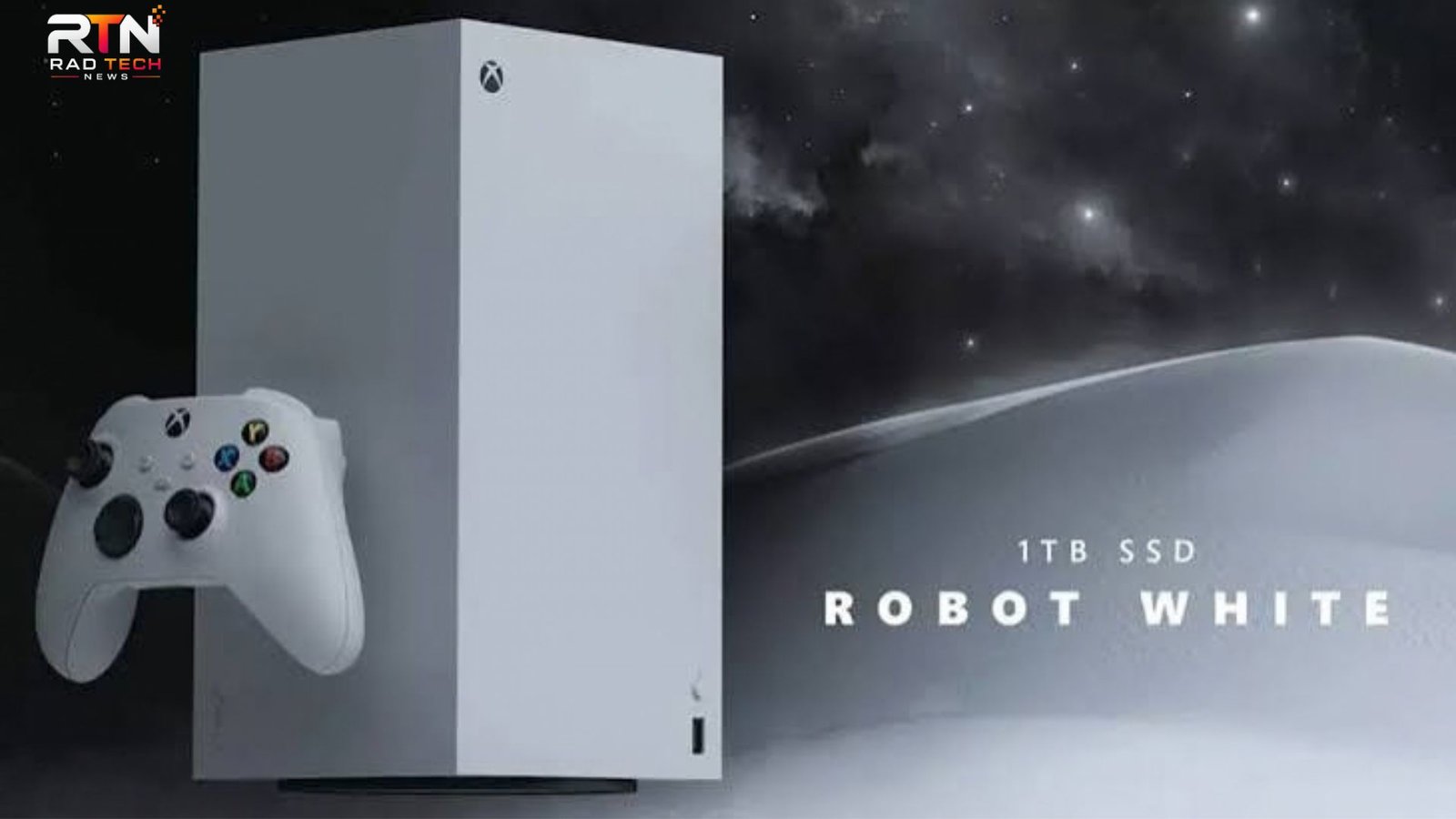
The Xbox Series X release date was November 10, 2020, when Microsoft launched its flagship Xbox console alongside the Xbox Series S. The Series X arrived as the higher-performance model, featuring a custom AMD processor, 4K gaming support, an Ultra HD Blu-ray drive, and a fast NVMe SSD.
Although the console has now been available for several years, searches for its launch date remain useful for buyers comparing Xbox generations, checking game compatibility, or understanding how the Series X fits into Microsoft’s current console lineup.
Xbox Series X Release Date and Launch Details
Microsoft officially launched the Xbox Series X on November 10, 2020. The release was global, with the console becoming available in multiple markets including the United States and United Kingdom. Pre-orders opened on September 22, 2020.
The original launch price in the United States was $499, while the Xbox Series S launched at $299. Microsoft also offered Xbox All Access, allowing eligible customers to pay for the console and Xbox Game Pass Ultimate through a monthly financing arrangement.
| Detail | Xbox Series X |
|---|---|
| Release date | November 10, 2020 |
| Original U.S. launch price | $499 |
| Storage | 1TB SSD at launch |
| CPU | Custom 8-core AMD Zen 2 |
| GPU | Custom RDNA 2, 12 TFLOPS |
| Target resolution | True 4K |
| Maximum supported frame rate | Up to 120 FPS |
| Disc drive | 4K UHD Blu-ray |
| Connectivity | HDMI 2.1, USB, Ethernet, Wi-Fi |
Microsoft’s current specifications also list newer Series X configurations, including 1TB digital and 2TB disc-based models, so shoppers should distinguish the original launch configuration from later versions.
What Made Xbox Series X Different?
The Xbox Series X release date marked Microsoft’s move into a new generation focused heavily on performance, loading times, and compatibility.
At the heart of the console is a custom eight-core Zen 2 CPU running at up to 3.8GHz, paired with a custom RDNA 2 GPU delivering 12 teraflops of processing power. The system also includes 16GB of GDDR6 memory and a custom NVMe SSD.
The SSD was particularly significant because it reduced loading times compared with previous-generation Xbox hardware. Microsoft’s Velocity Architecture also supports features such as Quick Resume, allowing supported games to be suspended and resumed without starting from the beginning.
The console targets 4K gaming and supports frame rates of up to 120 FPS when the game and display support those capabilities. HDMI 2.1 features, including variable refresh rate and Auto Low Latency Mode, can also benefit compatible televisions and monitors.
💡 Pro Tip: If you’re buying a Series X primarily for 120 FPS gaming, check your television or monitor before purchasing. A console capable of 120 FPS does not automatically make every game run at that frame rate, and your display must also support the appropriate refresh rate and HDMI features.
Games and Backward Compatibility
One of Microsoft’s major selling points at launch was compatibility. Xbox Series X could play thousands of games spanning multiple Xbox generations, while Smart Delivery helped supported titles provide the appropriate version for the console.
The launch lineup included titles such as Assassin’s Creed Valhalla, Watch Dogs: Legion, Yakuza: Like a Dragon, Gears Tactics, and Tetris Effect: Connected. Microsoft said more than 30 optimized games were playable on launch day, with many supporting Smart Delivery.
That compatibility approach meant upgrading from an Xbox One did not necessarily require abandoning an existing game library. Supported saves, achievements, accessories, and other elements of the Xbox ecosystem could carry forward to the new console.
Xbox Series X vs. Xbox Series S
The Xbox Series X release date was shared with the Series S, but the two consoles were designed for different audiences and performance targets.
Series X was positioned as the premium model, with native 4K capability, greater graphics performance, and a UHD Blu-ray drive. Series S was smaller, all-digital, and designed around a lower resolution target while retaining many of the same generation-level features, including fast loading and Quick Resume.
For someone who already owns a large collection of physical Xbox games, the Series X’s disc drive can be particularly relevant. Digital-only players may instead focus more heavily on storage, performance, and the cost difference between the models.
Is Xbox Series X Still Relevant?
The Xbox Series X release date may be several years in the past, but the hardware remains part of Microsoft’s current Xbox ecosystem. Microsoft’s current Series X specifications continue to highlight 4K gaming, up to 120 FPS, expandable storage, and compatibility with modern Xbox features.
Storage is worth considering. The original Series X included a 1TB custom SSD, while current configurations include different storage capacities depending on the model. Expansion cards can add storage while maintaining performance comparable to the internal storage.
The console also supports physical 4K UHD Blu-ray media on disc-equipped models, giving buyers an option that an all-digital console does not provide.
📌 Key Takeaway: The Xbox Series X release date was November 10, 2020, but the console’s importance extends beyond its launch. Its combination of 4K capability, high frame-rate support, fast SSD storage, backward compatibility, and access to the Xbox ecosystem made it Microsoft’s flagship console for this generation.
Frequently Asked Questions
When was the Xbox Series X released?
The Xbox Series X release date was November 10, 2020. Microsoft launched the Series X and Series S on the same day across multiple markets. Pre-orders began on September 22, 2020, ahead of the November launch.
How much did Xbox Series X cost at launch?
The original U.S. launch price was $499. Microsoft also introduced Xbox All Access financing, which bundled the console with Xbox Game Pass Ultimate through monthly payments for eligible customers.
Does Xbox Series X support 4K gaming?
Yes. Xbox Series X is designed for True 4K gaming and supports up to 120 FPS with compatible games and displays. Actual resolution and frame rate depend on the individual game and display hardware.
Can Xbox Series X play older Xbox games?
Yes. Xbox Series X supports thousands of games from previous Xbox generations. Microsoft’s backward-compatibility approach was a major part of the console’s launch strategy, and supported games can benefit from features such as Smart Delivery.
Does Xbox Series X have a disc drive?
The original Xbox Series X included a 4K UHD Blu-ray drive. Microsoft now offers multiple Series X configurations, however, so buyers should check the specific model before purchasing if physical discs are important to them.
The Xbox Series X release date established November 10, 2020 as the beginning of Microsoft’s latest major Xbox generation. Its combination of high-end graphics hardware, fast SSD storage, 4K support, backward compatibility, and physical-media capability continues to define the Series X as Microsoft’s performance-focused console.
