
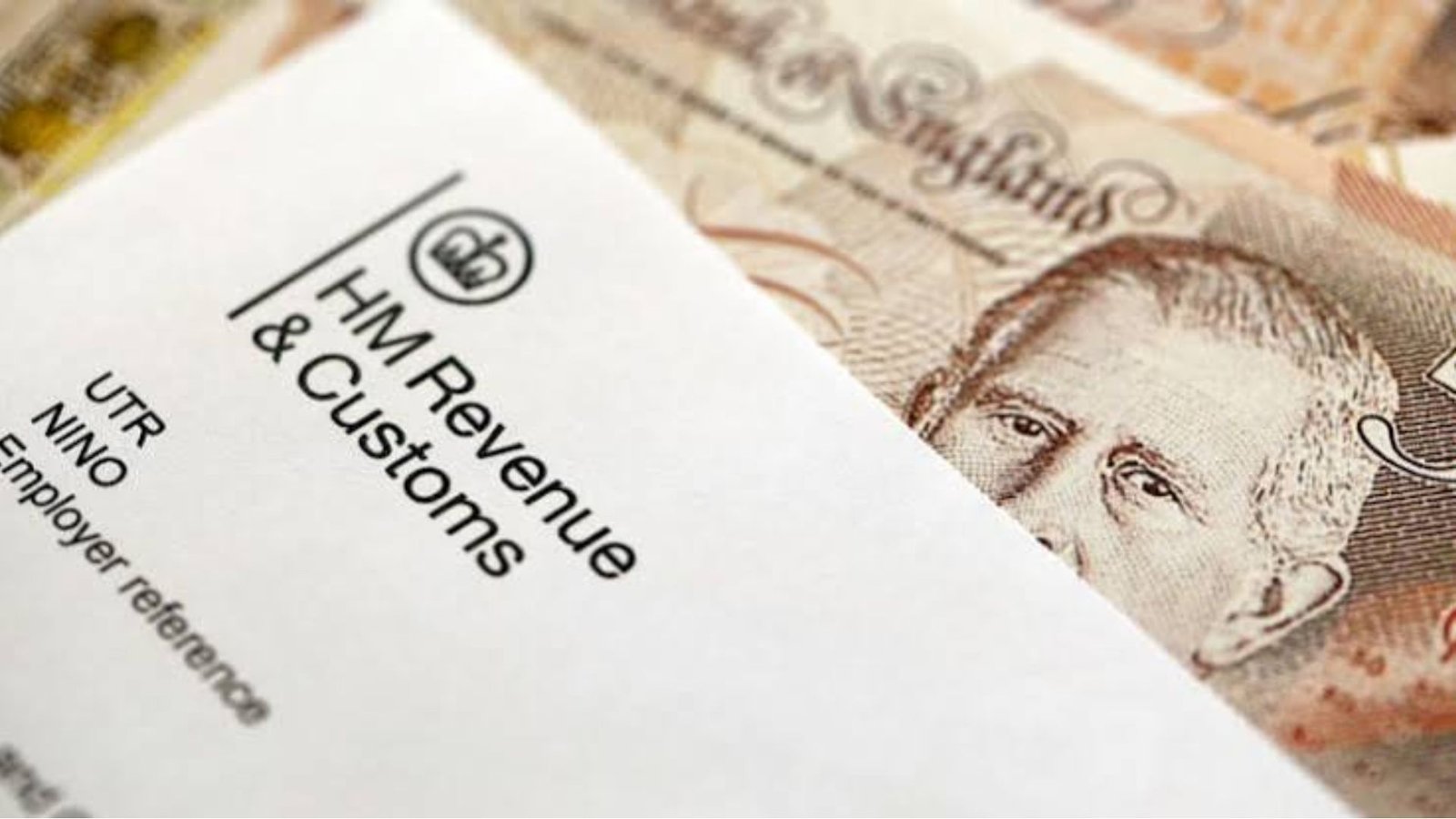
The HMRC Quantexa 10 year contract represents a major investment in the future of Britain’s tax administration. HM Revenue and Customs (HMRC) has selected UK-based technology company Quantexa for a partnership announced at £175 million to modernise its data infrastructure and expand its artificial intelligence capabilities. The agreement could help tackle tax fraud, connect fragmented information and improve public services. However, what does this partnership actually involve, and how could it affect taxpayers, businesses and government operations?
What Is the HMRC Quantexa 10 Year Contract?
The HMRC Quantexa 10 year contract is a major technology partnership announced on May 14, 2026. Its primary purpose is to modernise how HMRC connects, manages and analyses information across its systems.
Quantexa will provide entity resolution software and associated professional services to support HMRC’s digital transformation.
The partnership is designed to help the tax authority:
- Connect information held across different systems.
- Identify suspicious financial relationships.
- Improve tax compliance and fraud detection.
- Support better decisions through advanced analytics.
- Build a foundation for governed artificial intelligence.
- Improve operational efficiency and taxpayer services.
The announcement describes the agreement as a £175 million, decade-long partnership, making it a significant development in UK public-sector technology.
How Much Is the HMRC and Quantexa Agreement Worth?
The announced value of the HMRC Quantexa 10 year contract is £175 million.
This investment covers enterprise-wide entity resolution software and associated professional services. The programme is intended to support both the initial modernisation work and future improvements.
Here is a breakdown of the publicly announced details:
| Contract Detail | Information |
|---|---|
| Government department | HM Revenue and Customs |
| Technology provider | Quantexa |
| Announced value | £175 million |
| Announcement date | May 14, 2026 |
| Partnership duration | 10 years, as announced |
| Main technology | Entity resolution software |
| Additional services | Professional services and system support |
| Main objective | Data modernisation and governed AI |
| Country | United Kingdom |
| Procurement framework | RM6259, Lot 5 |
Important contract detail: The public procurement listing describes an eight-year initial term with options to extend by up to 24 months. Therefore, the announced decade-long partnership should not automatically be interpreted as ten unconditional years. The distinction between the headline partnership and the contractual extension options matters.
Why Did HMRC Choose Quantexa?
HMRC manages enormous quantities of financial, business and taxpayer information. Connecting these records accurately is essential for effective tax administration.
Traditional systems can store information in separate databases, making it difficult to understand relationships between individuals, businesses and financial activities.
Quantexa specialises in decision intelligence, data analytics and entity resolution. Its technology helps organisations identify connections between records that might otherwise appear unrelated.
The HMRC Quantexa 10 year contract aims to address these challenges through a connected approach to information management.
The technology could help HMRC develop a clearer understanding of complex financial relationships while supporting more informed decisions.
What Is Quantexa’s Entity Resolution Technology?
Entity resolution is a technology that identifies records referring to the same person, business or organisation, even when the information differs between systems.
For example, a business might appear under slightly different names in several databases. Entity resolution technology can analyse available information and identify whether those records represent the same organisation.
It can examine details such as:
- Names and alternative business names.
- Addresses and geographical information.
- Company relationships.
- Transaction patterns.
- Shared business connections.
- Other relevant identifying information.
This capability is particularly useful for large organisations that manage information across multiple platforms.
Through the HMRC Quantexa 10 year contract, this technology is expected to support better information matching and more effective analysis.
How Will Artificial Intelligence Help HMRC?
Artificial intelligence is becoming an important part of modern government operations. HMRC wants to develop systems that can process information more effectively and help employees make informed decisions.
Quantexa’s data platform is intended to establish the foundation for governed AI applications.
Potential applications include:
- Fraud detection: Identifying unusual patterns and relationships that may require further investigation.
- Tax compliance: Helping HMRC identify inconsistencies in financial information.
- Risk assessment: Supporting better prioritisation of cases that require attention.
- Customer service: Giving employees more connected information when responding to taxpayer enquiries.
- Operational efficiency: Reducing unnecessary manual work involved in finding and comparing records.
However, AI does not automatically establish that someone has committed tax fraud. Any suspicious activity requires appropriate assessment and investigation.
Can the Contract Help Reduce Tax Fraud in the UK?
Tax fraud and deliberate tax evasion create significant challenges for public finances. They can reduce government revenue and place additional pressure on compliant taxpayers.
The HMRC Quantexa 10 year contract is intended to strengthen HMRC’s ability to identify financial connections and patterns that may indicate suspicious activity.
For example, connected business records might reveal relationships that are difficult to identify when information remains separated across different systems.
Better analysis could help investigators:
- Identify potentially suspicious business networks.
- Detect unusual financial relationships.
- Find inconsistencies in available records.
- Prioritise investigations more effectively.
- Protect public funds through improved compliance work.
Nevertheless, the technology is a supporting tool rather than a replacement for human judgement, legal procedures or proper evidence.
What Does the Partnership Mean for UK Taxpayers?
The agreement is not simply about purchasing new software. Its wider objective is to improve the way HMRC uses information to deliver public services.
For taxpayers, potential benefits include faster access to relevant information, better-supported customer service and improved identification of tax compliance issues.
Businesses could also benefit from more efficient administration if HMRC can resolve information more accurately.
However, taxpayers should understand that the contract does not automatically change existing tax rates, payment deadlines or filing requirements.
It also does not mean every taxpayer will face additional investigations.
The expected benefits depend on successful implementation, appropriate data governance and measurable improvements in HMRC operations.
How Will HMRC Protect Taxpayer Data and Privacy?
Data protection is one of the most important considerations when a government department introduces advanced analytics and AI.
HMRC handles sensitive financial and personal information. Any technology used within its systems must operate under applicable UK data protection laws and government security requirements.
The HMRC Quantexa 10 year contract also highlights the importance of sovereign and governed AI.
In practical terms, responsible implementation should include:
- Appropriate access controls.
- Secure information handling.
- Clear data governance policies.
- Monitoring of system activity.
- Compliance with applicable privacy requirements.
- Human oversight of important decisions.
The use of connected data must not remove individuals’ rights or bypass established legal safeguards.
What Is the Difference Between Traditional Data Analysis and Quantexa Technology?
Traditional data analysis often examines information stored in individual databases. Entity resolution technology adds another layer by identifying relationships between records.
| Feature | Traditional Data Analysis | Quantexa Approach |
|---|---|---|
| Information handling | Often system-specific | Connects relevant records |
| Data matching | Rules and individual searches | Entity resolution |
| Relationship analysis | May be limited | Network-based analysis |
| Fraud investigation | Separate information checks | Connected information insights |
| AI readiness | Depends on existing infrastructure | Supports governed AI foundations |
| Decision support | Individual data reports | Contextual decision intelligence |
This comparison explains the technology’s intended value, rather than guaranteeing that every HMRC system will operate in the same way.
What Challenges Could Affect the HMRC Quantexa Partnership?
Large government technology programmes require careful planning. A significant financial commitment does not guarantee successful delivery.
The partnership could face several challenges:
1. Data quality: Inaccurate or outdated records can affect matching results and analysis.
2. System integration: Connecting older government infrastructure with modern technology can take considerable time.
3. Privacy concerns: HMRC must maintain appropriate protections when handling sensitive information.
4. Implementation costs: Software licensing, professional services, maintenance and future development require careful financial management.
5. AI accountability: Government employees must understand how automated systems support decisions and where human review is necessary.
Measuring progress against clear performance indicators will be essential throughout the programme.
What Is the Future of AI in UK Tax Administration?
The HMRC Quantexa 10 year contract reflects a wider shift towards data-driven government services.
Government departments increasingly need technology that can connect information, identify patterns and support faster operational decisions.
If implemented successfully, this partnership could provide a foundation for more advanced fraud detection, improved tax compliance and better customer service.
It could also demonstrate how British technology companies contribute to the development of public-sector AI infrastructure.
However, long-term success will depend on practical results, transparent governance and responsible use of taxpayer information.
Frequently Asked Questions (FAQs)
1. What is the HMRC Quantexa 10 year contract?
It is a major technology partnership announced in May 2026 between HMRC and Quantexa to modernise government data infrastructure, improve information matching and support governed AI applications.
2. How much is the Quantexa HMRC contract worth?
The announced partnership is worth £175 million. The public procurement information describes an initial eight-year term with options for an additional 24 months.
3. What does Quantexa provide to HMRC?
Quantexa provides entity resolution software and associated professional services. Its technology helps connect information and identify relationships between different records.
4. Will the HMRC contract use artificial intelligence?
Yes. The programme aims to modernise HMRC’s data foundation and establish the infrastructure needed for advanced, governed AI applications.
5. Will the agreement affect ordinary UK taxpayers?
Potentially, through improvements in customer service, tax compliance and administrative efficiency. However, the agreement does not automatically change tax rates, filing requirements or payment deadlines.
6. Can Quantexa technology help HMRC detect tax fraud?
Yes. Connected data and relationship analysis can help identify suspicious patterns for further investigation. However, technology alone cannot establish criminal wrongdoing.
Conclusion
The HMRC Quantexa 10 year contract marks an important step in the modernisation of Britain’s tax administration. With an announced value of £175 million, the partnership aims to connect government information, strengthen fraud detection and prepare HMRC for more advanced AI applications.
Its real success will depend on effective implementation, strong privacy protections and measurable improvements in public services. For UK taxpayers, businesses and technology professionals, this agreement offers an important example of how data intelligence could shape the future of government operations.
What matters most is not simply the size of the investment, but whether it delivers a fairer, more efficient and more accountable tax system.
